Hotel technology trends are exchanging fancy gadgets for everyday essentials. Smart rooms, mobile keys, and AI assistants cut friction and errors while giving teams more time for warm, personal service.
Smart Rooms 2.0
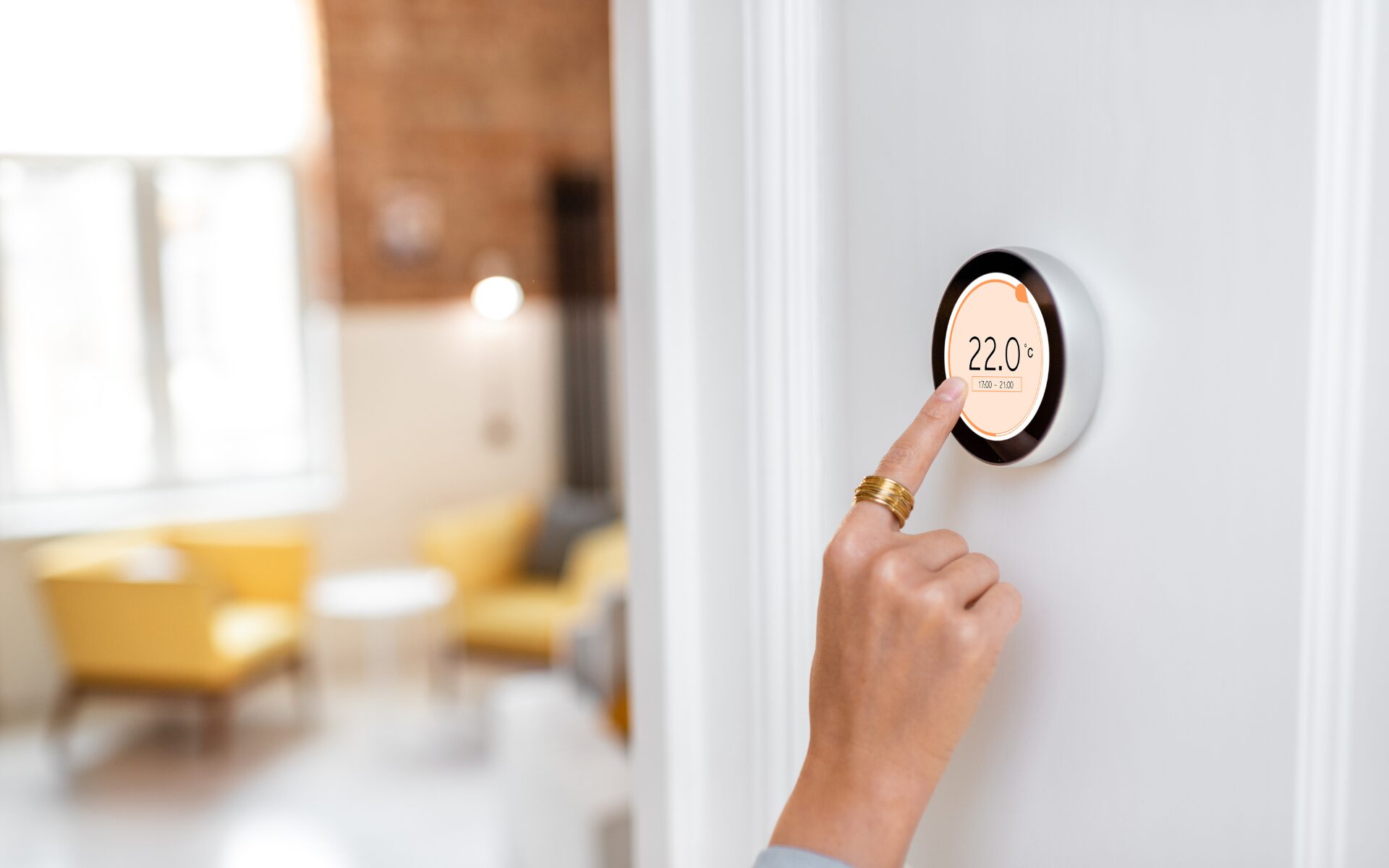
Smart rooms are no longer a futuristic luxury, they’re becoming standard. Guests can control lighting, temperature, humidity, and entertainment from one app or via voice command. But the real upgrade in 2026 lies in AI memory: systems now remember guest preferences and automatically adjust the room for returning visitors – from favorite lighting settings to preferred room temperature.
AI Chatbots & Multilingual Virtual Assistants
AI is an emerging technology in the hospitality industry. However, despite its relative newness, certain forms of this technology have already become commonplace. Multilingual chatbots, for example, handle routine requests in real time, no matter the language barrier. Virtual assistants, such as Alexa or Google Assistant, help guests access hotel information, book spa appointments, or discover local attractions; all it takes is a simple voice command.
Mobile Concierge
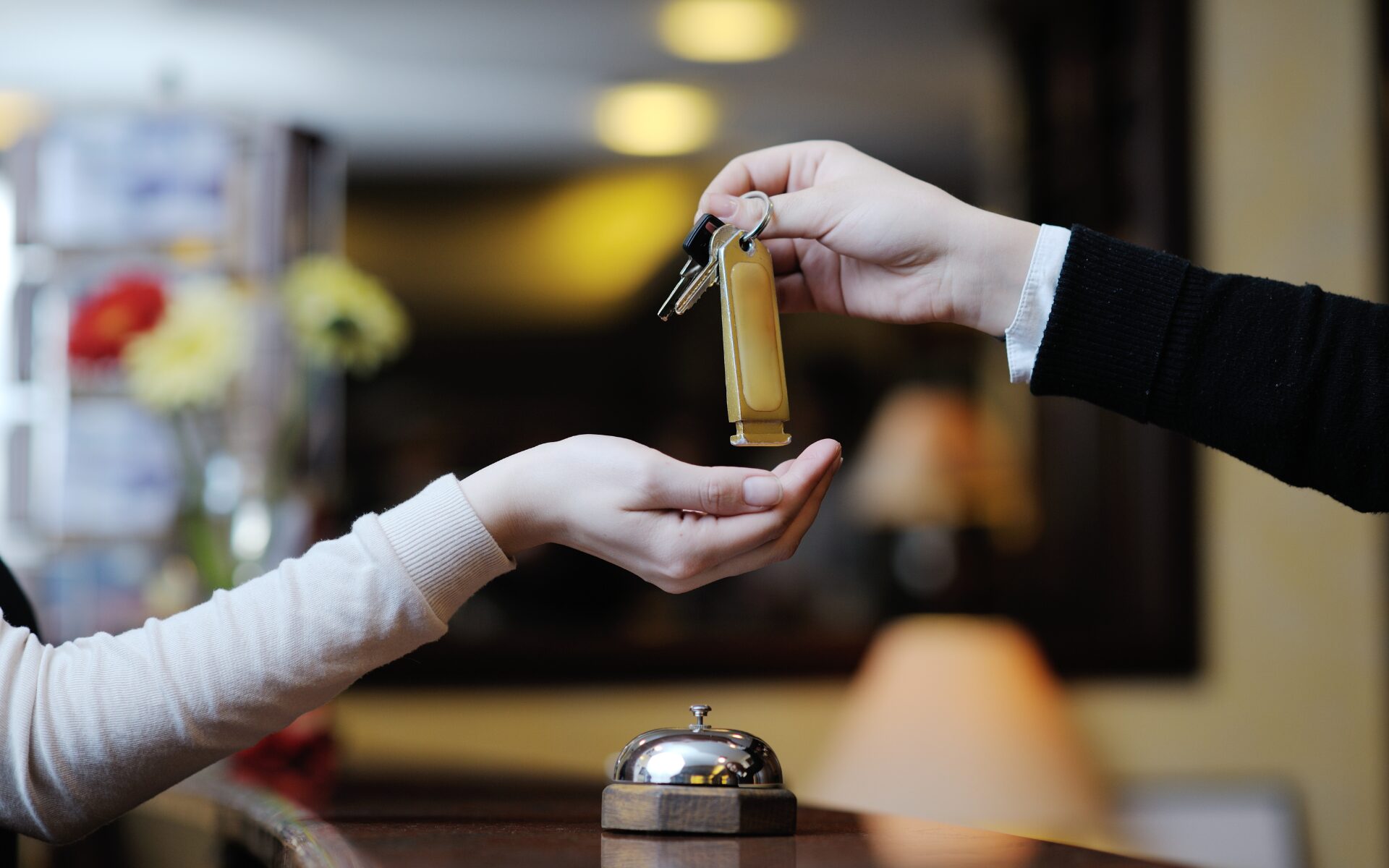
Mobile apps now handle many front‑desk tasks on your phone. After a long trip, the first thing a guest should see is a bed, not the front desk. With a hotel app, check‑in takes seconds, the phone becomes the key, and room service is a few taps away. Contactless options such as QR code menus and digital keys keep things clean and effortless, while the team steps out from behind the counter to greet, guide, and take care of the small details that make a stay feel human.
Wireless Device Charging
Wireless chargers are sleek table-top pads or phone stands that use electromagnetic induction to charge electronic devices. For certain demographics, these wireless chargers are simply a part of everyday life. Therefore, tech-savvy guests who enjoy this modern convenience on a daily basis would be thrust back in time by the lack of it. Consequently, this could shed negative light on the hotel.
E-Invoicing
Electronic invoicing, or e‑invoicing, is part of a broader digital transformation, with the EU leading the way: regulations are accelerating adoption and reshaping how hotels and suppliers manage their financial operations. In some EU countries, like Germany, receiving EN 16931‑compliant B2B e‑invoices is mandatory as of 2025. For US hotels, this matters because global partners are moving to e‑invoices. If you prepare now, you’ll pay bills faster, lower fraud risk, and avoid headaches if similar rules are implemented in the U.S.
Smart Kitchens
Behind the scenes, hotel kitchens are getting smarter too. IoT-connected appliances and AI-supported kitchen management optimize energy use, reduce waste, and support menu customization for allergens or guest preferences – a critical step toward the “circular hotel.”