Across the industry, guest complaints tend to build around a familiar set of issues. A 2025 academic review of online guest feedback revealed that the majority of negative comments stem from room-related concerns and staff interactions, identifying these as the most common categories of service failure.
By recognizing these patterns early, hoteliers can strengthen operational consistency, refine the guest service experience, and reduce the risk of dissatisfaction. Here are some pertinent examples of guest complaints in the hotel:
Noise Complaints
Noise complaints are among the most frequent and disruptive guest complaints hotel teams face. These often include reports of loud neighbors, corridor activity, nightlife, or external street noise. Sound issues consistently appear in guest feedback and are frequently cited as a leading cause of sleep disruption and dissatisfaction, making it one of the most common subjects of negative guest commentary.
Cleanliness & Housekeeping Issues
Cleanliness complaints come right in step with noise complaints. Industry reports show that room and property cleanliness now rank directly behind price and location in travelers’ booking criteria, underlining how closely hygiene is tied to guest expectations. At the same time, U. S. guests tend to be highly sensitive to even minor lapses: dirty or moldy bathrooms, dust on surfaces, stained or worn linens, forgotten items from previous guests, or irregular housekeeping can quickly trigger dissatisfaction and negative reviews.
Because cleanliness repeatedly emerges as a top driver of overall guest satisfaction, it also has a disproportionate impact on online ratings and booking decisions. Hotels that invest in consistently strong housekeeping routines not only secure higher cleanliness scores but also benefit from more repeat stays and greater pricing power.
Room Comfort Concerns
The comfortability of the room is a critical factor for most guests. Complaints about poor temperature control, uncomfortable bedding, inadequate lighting, or weak noise insulation, for example, are common. These complaints are preference-based, but can shed light on key areas for improvement.
Room Condition & Maintenance Problems
Room condition and maintenance issues are yet another significant source of guest complaints, often centered on dysfunctional A/C or heating, inconsistent hot water, poor water pressure, or broken fixtures and in-room appliances. Slow or unreliable Wi-Fi is an additional source of frustration, a problem that continues to grow as digital connectivity becomes an essential rather than a convenience. These concerns underscore the importance of proactive maintenance and technology upgrades to support a seamless guest service experience.
Service-Related Complaints
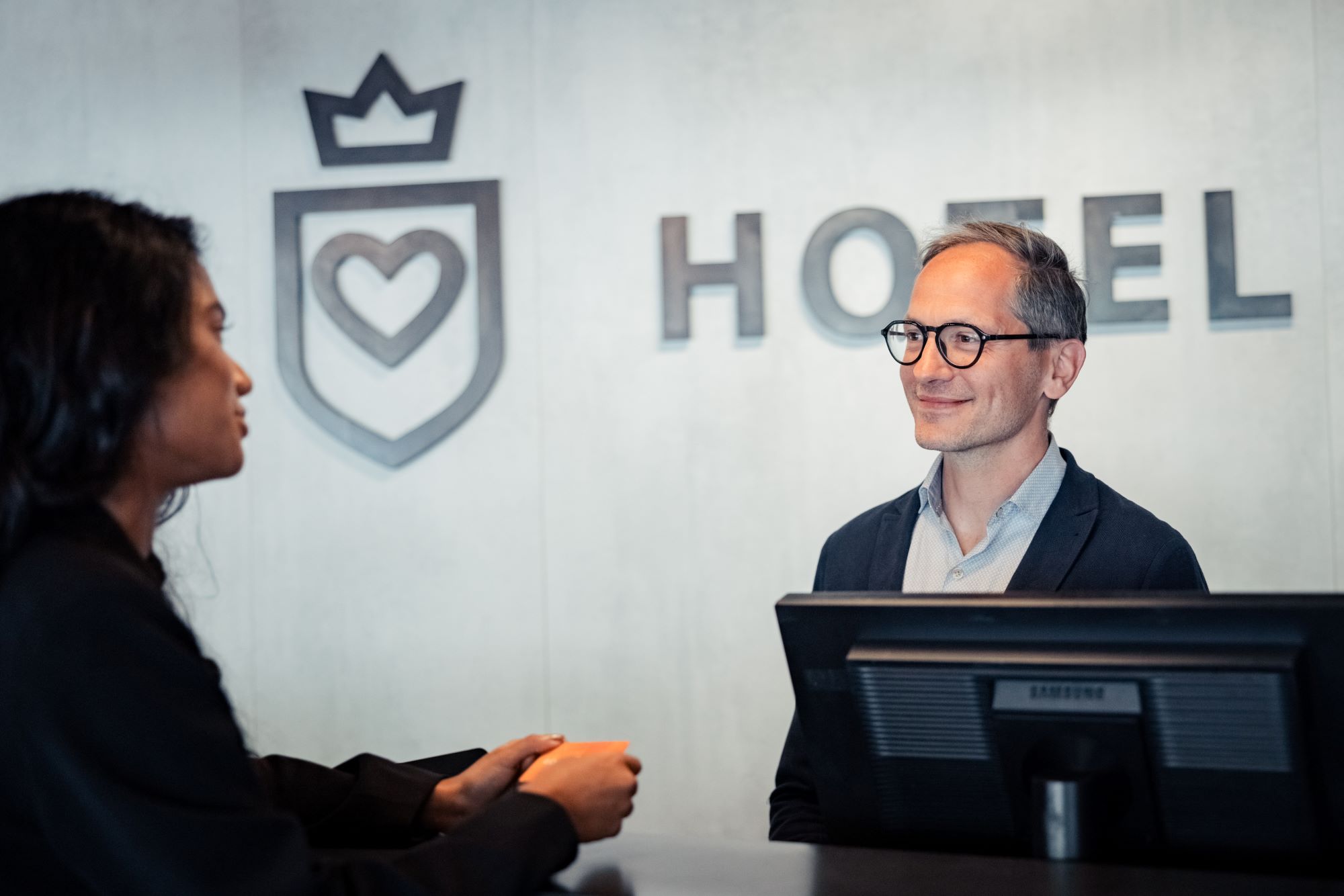
Service-related issues range from slow response times and unprofessional interactions to poor communication or confusion; for example, not understanding what concierge service in a hotel is or what exactly those services specific to the hotel entail. These challenges often surface during moments such as check-in and check-out, where long waits or understaffed desks can quickly erode the guest experience.
Missing or Insufficient Amenities
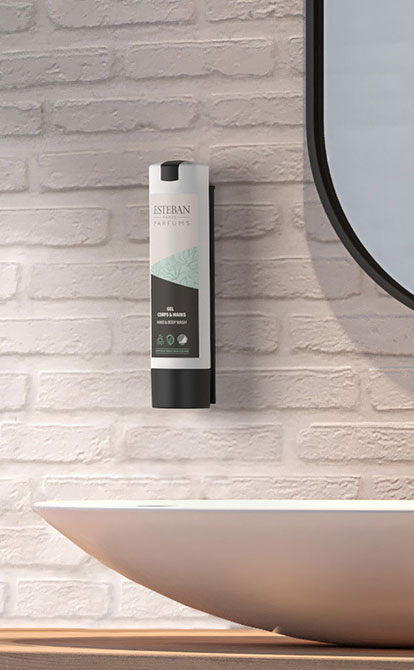
A lack of expected in-room amenities is another frequent source of guest complaints. This includes an insufficient quantity of towels, toiletries, or coffee and tea supplies, as well as missing items. These gaps in provision can leave guests feeling underserved from the moment they enter the room. Review analyses from Cornell Hospitality Research further demonstrate that missing amenities are frequently mentioned online, typically in the context of a disconnect between what was advertised and what was delivered.
Billing & Payment Issues
Billing-related issues are a frequent source of dissatisfaction, often stemming from surprise charges, inaccurate invoices, unclear fee structures, or confusion around deposits and authorizations. These concerns can quickly undermine trust and negatively impact the overall guest service experience.
Booking & Expectation Mismatches
When the guest experience doesn’t align with what was advertised, expectation gaps will quickly emerge. Common examples include rooms that look different from photos, amenities that were overstated or outdated, or misunderstandings related to room size, views, or property features. Unfortunately, these discrepancies contribute significantly to guest frustration and are among the most emotionally impactful types of hotel complaints.