Hotel & Travel Trends

FUTURE OF THE HOSPITALITY INDUSTRY: KEY TRENDS FOR 2026

28 May 2025

The outlook for the future of the hospitality industry in 2026 is highly promising, fueled by technological advancements, shifting guest expectations, and an increasing demand for sustainable and distinctive experiences. The industry is poised for positive growth, with global travel demand in 2025 surpassing 2019 levels and the GDP sector projected at $11.7 trillion (UN World Tourism Barometer). Continue reading to discover actionable strategies to navigate the future of the hospitality industry and stay ahead of the competition.

5 Trends Shaping the Future of the Hospitality Industry

If you run a hotel in the US, having ideas that will actually help you win bookings and make guests smile is a must for success. The good news: 2026 looks optimistic with travel demand rising. The future of hospitality is being shaped by trends that are revolutionizing the guest experience and operational efficiencies. 

Below is a practical look at what’s changing and what to do about it.

1. Technology

Guests don’t rave about your boiler running smoothly. They rave about the person who noticed they like oat milk and had it waiting at breakfast. Let technology handle the invisible work so your team can focus on the moments that matter.

Use tech where it quietly removes friction:

  • Predictive maintenance to keep rooms in service.
  • Smart staffing that matches schedules to real demand.
  • Chatbots so guests get quick answers without standing in line.

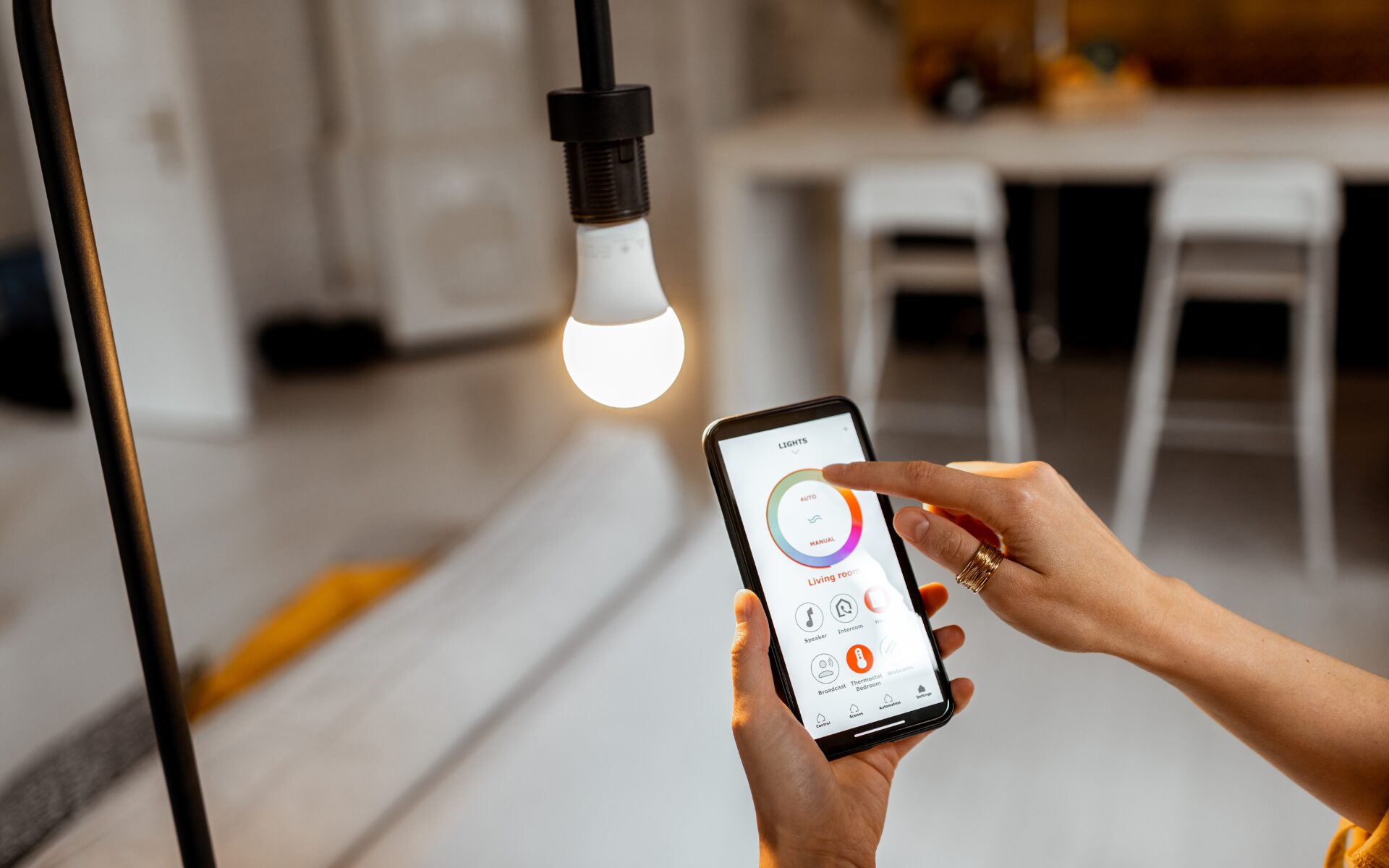
Smart doesn’t have to mean sterile. Mobile keys, smart TVs, reliable Wi‑Fi, and wireless air conditioner controllers are baseline comforts – while a great front desk host turns a good stay into a memorable one.

2. Personalization

No guest asks for hyper-personalization. They ask for a quiet room, a comfortable pillow, and a late checkout when their flight is at 6 p.m. 

Make personalization tangible:

  • Let guests choose their check-in style: app or a friendly face.
  • Save room and dining preferences and use them next time without making a big deal of it.
  • Offer micro-upgrades (view, bedding, workspace, wellness kit) instead of one-size-fits-all packages.

3. Sustainability

Today’s travelers want to feel confident that their stay aligns with their values. Focus first on practical, visible changes that reduce both waste and operating costs:

  • Track energy and water usage to identify major inefficiencies and take targeted action.
  • Source locally to minimize transportation emissions and support the surrounding community.
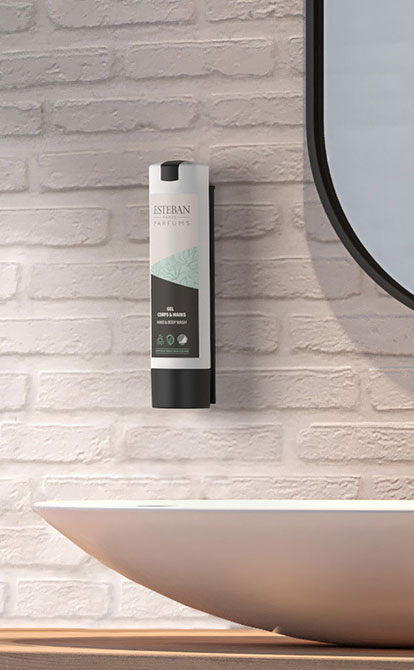
  • Switch to hygienic, refillable amenities to reduce single-use plastics and cut housekeeping turnover time.

Most importantly, be transparent. Share what changes you’ve made, the impact they’ve had, and what you’re planning next. A clear, honest sustainability narrative builds trust and loyalty.

Looking ahead to 2026, sustainability is evolving from “reduce and recycle” to a more circular model. Expect closed-loop systems for in-room amenities, fully recyclable packaging, long-lasting dispensers, and new collaborations, ranging from biodiversity conservation to material recovery and community reuse initiatives.

4. Wellness

The global wellness market is growing about 5–6% a year. At many leading hotels, spa revenue now accounts for up to 30% of total revenue. Guests are increasingly seeking ways to sleep better, stay active, recover, and eat well – all without leaving the property.

Quick wins that guests notice:

  • Equip rooms with yoga mats and resistance bands to promote movement.
  • Offer sleep-inducing amenities such as true blackout curtains, customizable soundscapes, and a pillow menu for personalized comfort.
  • Introduce nutrient-rich, lighter menu options with clear labeling to support informed choices.

Guests are more likely to feel better the next morning, leave stronger reviews, and be willing to spend more – without complex ops.

5. Changing Traveler Habits

Traveler expectations are more diverse than ever. Work and leisure are blending, remote stays are getting longer, and travel groups now often span three generations – or just one confident solo explorer. Hotels that succeed in this landscape simplify the experience for each guest type without adding operational complexity.

Digital Nomads

This group values seamless work-life integration. They look for:

  • Quiet rooms with ergonomic desks and chairs.
  • Plenty of outlets and high-speed, reliable Wi-Fi.
  • Easy ways to unwind after work, like on-site lounges, healthy meals, or local experiences.

Multi‑Generational Travelers (Boomers to Gen Z)

Different generations bring different priorities:

  • Older travelers prioritize comfort, accessibility, and convenience.
  • Younger guests seek sustainable options, authentic experiences, and budget-conscious choices.

Solo Travelers

Safety first. This group appreciates:

  • Clear signage and intuitive layouts
  • Reliable WiFi
  • Friendly, visible staff when needed
Hotel cosmetics - order here

Hotel Concepts for the Future

The hospitality industry is actively adopting and innovating hotel concepts for the future to meet the shifting demands of modern travelers and create more engaging, sustainable, and tailored guest experiences. Here are 6 prominent concepts for the future: 

  1. Smart Hotels: Leverage advanced technology to deliver personalized, seamless stays. Utilize Guest Room Management Systems (GRMS), predictive maintenance, and AI-guided upselling.
  2. Green Hotels: Put sustainability first with eco-friendly operations, e.g. energy and water savings, circular practices, and low-waste workflows.
  3. Bleisure Travel: Accommodate digital nomads, blending work and leisure with tailored amenities, e.g. desks, ergonomic chairs, quiet hours, and free coffee.
  4. Boutique Hotels: Offer unique, curated, and highly personalized guest experiences, e.g. through local partnerships (wineries, roasters, artists).
  5. Wellness Hotels: Focus on health and well-being with amenities like spas, fitness centers, and nutritious dining options. 
  6. Longevity Hotels: The next wave of wellness in hospitality centers on proactive health that helps guests feel better now, and in the long run. These properties weave prevention and nutrition into the stay with functional drinks, probiotic snacks, circadian-friendly lighting, high-quality air and water filtration, and in-room wearables that track sleep, recovery, and progress toward personal wellness goals.

These hotel trends demonstrate the industry’s adaptability and its dedication to enhancing guest satisfaction through technology and innovation.

Is the Hospitality Industry Growing?

Yes. The hospitality industry continues to expand in 2026. International arrivals rose 5% in the first half of 2025 vs. 2024 and now sit about 4% above 2019 levels. That followed a full recovery in 2024, when worldwide arrivals reached 1.5 billion. 

UN Tourism also reports almost 690 million international trips between January and June 2025 (about 33 million more than the previous year). Export revenues from international tourism hit USD 2 trillion in 2024 – 14% higher than 2019 – and the Confidence Index improved heading into late 2025. UN Tourism’s projection for 2025 international arrivals growth of 3%–5% remained in place through September 2025 – signaling a resilient baseline for 2026 planning.

EHL Insights summarizes 2024 as a pivot from “recovery” to “growth,” noting the global hospitality market at roughly USD 4.9 trillion in 2024 and travel & tourism’s economic contribution at a record USD 11.1 trillion (~10% of global GDP). Between 2022 and 2032, travel and tourism are expected to grow about 5.8% annually, outpacing expected global GDP growth (~2.7%).

The U.S. hospitality industry has shown significant growth, particularly in the hotel sector. In 2023, the U.S. hospitality market was valued at $231.1 billion, reflecting a 7.7% increase from the previous year’s $214.6 billion. This trajectory is expected to continue, with forecasts estimating the market will reach $247.45 billion in 2025 and $313.87 billion by 2030, at a CAGR of 4.87%. 

These insights further emphasize that the hospitality industry is growing dynamically, with opportunities and challenges that vary across regions but consistently underscore its vast potential for expansion.

Challenges and Opportunities in the Hotel Industry

The hospitality industry has proven its resilience, but the rules are evolving. Guests have returned in strong numbers, but managers now face smaller budgets, leaner teams, and higher expectations. 

Labor remains one of the industry’s most pressing challenges. Staffing is tight and expensive, even as demand continues to hold strong. Hotels are competing for talent amid elevated wages and benefit costs.

The best response isn’t simply hiring more—it’s working smarter:

  • Use precise scheduling to align labor hours with actual demand.
  • Prioritize cross-training to increase flexibility without adding headcount.
  • Invest in tools that help staff do more with less, reducing friction behind the scenes.

Travelers are back, but they’re more value-conscious and expect seamless, personalized service. At the same time, many properties are juggling fragmented tech stacks – PMS, POS, CRM, RMS systems that don’t always communicate. This tech sprawl makes personalization more difficult and increases operational complexity.

The solution: Focus on integrating essential systems. Eliminate tools that don’t add clear value. Build workflows on clean, connected data to enable personalization at scale without overloading staff with more platforms.

Demand remains solid in most markets, providing hoteliers with a stable foundation for 2026 planning. Building on this momentum, the most effective strategies are practical, targeted investments that boost both guest satisfaction and improve operating margins. The future belongs to hotel brands that strike the right balance between simplicity and smart innovation. By doing so, management can effectively transform today’s challenges into tomorrow’s competitive advantage.

4 Leading Examples in the Future of Hospitality

As the hospitality industry advances, best practices are emerging to shape its future, with notable examples highlighting innovations like sustainable operations, personalized services, and the future of robots in the hospitality industry, revolutionizing guest experiences and operational efficiency. 

2. Sustainability Experts

Environmental stewards in the hospitality industry are leading by example through initiatives such as achieving energy autonomy, implementing plastic-free policies, and obtaining Green Key certifications. For instance, Bucuti & Tara Beach Resort in Aruba is the Caribbean’s first certified carbon-neutral hotel, renowned for its eco-friendly practices and commitment to sustainability. This resort demonstrates how environmental responsibility can coexist with luxury, setting a benchmark for sustainable hospitality.

3. Guest Experience Reimagined

Hotels are enhancing guest experiences by implementing personalized services, such as tailored communication and digital concierge systems. For example, Wyndham Hotels & Resorts has leveraged Canary’s AI-enabled Guest Engagement Platform to offer guests seamless digital service from check-in to check-out across more than 6,000 properties. 

4. Hotel Concepts

Hotel concepts are changing and adapting to the increasing demand for hybrid travel and sustainability. For instance, Hotel Schani in Vienna has integrated a coworking space into its lobby, offering 12 desks that guests can use for free, while locals can purchase coworking passes. This setup provides flexible work environments for both travelers and local professionals. Additionally, the rise of green hotels showcases the industry’s commitment to sustainability. For example, the Proximity Hotel in Greensboro, North Carolina, is the first Platinum LEED-certified green hotel in the United States, utilizing over 70 sustainable practices during construction and in operation.

Technology Leaders

Tech leaders in the hospitality industry are advancing through the integration of robots, IoT-driven smart rooms, and AI-powered assistants, such as voice-activated guest services. For instance, Aloft Hotels, part of the Marriott International chain, has introduced the AI-powered Botlr, a robotic butler that delivers amenities to guests’ rooms. This innovation showcases the transformative impact of technology in modern hospitality.

Sustainability Experts

Environmental stewards in the hospitality industry are leading by example through initiatives such as achieving energy autonomy, implementing plastic-free policies, and obtaining Green Key certifications. For instance, Bucuti & Tara Beach Resort in Aruba is the Caribbean’s first certified carbon-neutral hotel, renowned for its eco-friendly practices and commitment to sustainability. This resort demonstrates how environmental responsibility can coexist with luxury, setting a benchmark for sustainable hospitality.

Guest Experience Reimagined

Hotel concepts are changing and adapting to the increasing demand for hybrid travel and sustainability. For instance, Hotel Schani in Vienna has integrated a coworking space into its lobby, offering 12 desks that guests can use for free, while locals can purchase coworking passes. This setup provides flexible work environments for both travelers and local professionals. Additionally, the rise of green hotels showcases the industry’s commitment to sustainability. For example, the Proximity Hotel in Greensboro, North Carolina, is the first Platinum LEED-certified green hotel in the United States, utilizing over 70 sustainable practices during construction and in operation.

Actively Shaping the Future of Hospitality with ADA Cosmetics

Experience ADA Refillution

Smart refilling - with ADA Cosmetics

Actively shaping the future of hospitality means prioritizing innovation, guest satisfaction, and sustainability. With the introduction of Refillution, we are setting new standards for sustainability and hygiene. This world’s first automatic refill system for cosmetic dispensers combines efficiency, safety, and environmental awareness. 

The refill system offers hotels a practical solution to reduce plastic waste by up to 95% and minimize housekeeping operational costs. By transitioning from single-use bottles to refillable dispensers, Refillution also decreases liquid waste by up to 30%. Hoteliers can significantly reduce plastic consumption, saving an average of 10 pounds of plastic per room annually.

Experience ADA Atelier

Customised hotel cosmetics - with ADA Cosmetics

But sustainability and efficiency are just the beginning. With ADA Atelier, we take it a step further by offering hoteliers the opportunity to create bespoke cosmetic products tailored to their specific needs. Starting with a minimum order of 500 units, hotels can choose from various dispenser types, fragrances, and colors to create their own personalized hotel line.

Partnering with ADA Cosmetics allows hotels to take a leading position in the competitive hospitality industry, ensuring they not only meet but exceed the expectations of today’s discerning guests. From creating memorable touchpoints to supporting sustainable practices, ADA Cosmetics empowers hotels to pave the way in defining a new standard of hospitality excellence. 

The hospitality industry is evolving toward a sustainable and innovative future. Discover more about Refillution, ADA Atelier, and our customized solutions on our website, or contact us directly. Together, we can shape a future that’s as innovative as it is welcoming.

FAQ

What will the hospitality industry look like in 2030?

By 2030, the hospitality industry will be defined by advanced technology, personalized experiences, and sustainable practices. Artificial intelligence, automation, and smart hotel features will streamline operations and enhance guest experiences. Travelers will expect seamless digital check-ins, AI-powered concierge services, and hyper-personalized stays. Sustainability will also play a central role, with eco-friendly accommodations and carbon-conscious travel options becoming the norm. 

Is the hospitality industry struggling?

The hospitality industry has faced significant challenges in recent years, especially due to the global pandemic, labor shortages, and changing consumer behaviors. However, the industry is rebounding steadily. International travel alone rose 5% in the first half of 2025 as opposed to 2024, with most destinations seeing growth in both arrivals and revenues.

What will be the future of tourism and hospitality in the next 10 years?

Over the next decade, tourism and hospitality will evolve into a more technology-driven, sustainable, and experience-centric industry. Key trends include the rise of virtual and augmented reality in trip planning, AI-enhanced customer service, and increasing demand for eco-conscious travel options. 

Does hospitality have a future?

Absolutely. The hospitality industry has proven its resilience and capacity for innovation time and again. As global travel demand continues to rise and consumer expectations shift, hospitality businesses that adapt to trends like digitalization, sustainability, and experience-focused service will thrive. The future of hospitality is not just secure, it’s full of opportunity for those willing to evolve with the times.

CONTACT
REQUEST AN OFFER

For product inquiries worldwide, please contact our sales partners.

CONTACT

For contact inquiries of all kinds, please use our contact form. We will get in touch with you as soon as possible.