Citric Acid
What is Citric Acid?
Citric acid is one of the classic fruit acids, or alpha hydroxy acids (AHAs). Citric acid was first extracted from lemon juice in the 18th century. But the global breakthrough came with modern biotechnology. In the 20th century, the substance was first produced in large quantities by using a mold called Aspergillus niger to ferment a sugar-based substrate like corn or molasses into citric acid.
In cosmetics, citric acid is an indispensable base ingredient: it helps to balance formulations to a skin-friendly pH value. This is important to maximize tolerability and optimize the effectiveness of many ingredients. Depending on the concentration and pH value, citric acid can also help soften the skin’s surface and even out its complexion.
Citric Acid at a Glance
- INCI Name: CITRIC ACID
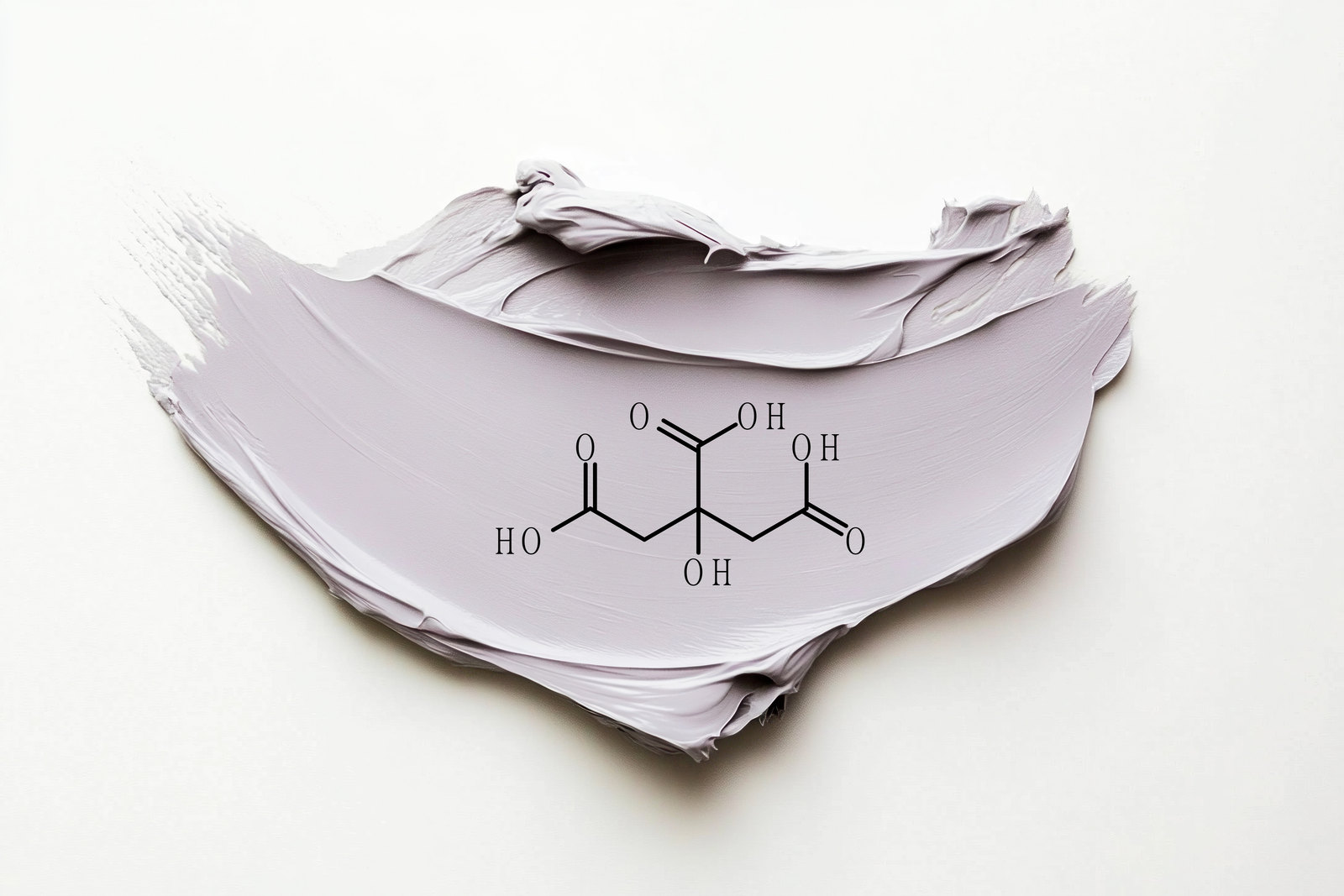
- Synonyms: citrate, sour salt, 2-hydroxy-1,2,3-propanetricarboxylic acid, tricarballylic acid
- Origin: synthetic in cosmetics
- Country of Origin: Top producer is China, followed by Belgium, Thailand, Austria and the United States.
- Category: fruit acid or alpha hydroxy acid (AHA)
- Characteristics: colorless, crystalline, odorless
What are the Benefits of Citric Acid?
Citric acid helps regulate and stabilize the pH level of skin-friendly formulations (about 4.5 – 5.5). The optimal amount of citric acid can support the removal of dead skin cells, which makes the skin look smoother and clearer.
In shampoos, citric acid is used to reduce the pH level; it helps the scalp build up the protective layer in hair, resulting in more shine. As citric acid is a chelating agent, it also reduces mineral deposits (from hard water, for example), which makes the hair silkier and more lustrous.
When used at low concentrations to adjust pH levels, citric acid is generally well tolerated. As is typical with AHAs, skin can become temporarily more photosensitive—so always use sunscreen during the day.
Citric acid has been awarded a rather low EWG score. It scores lower in products that are not for inhalation, i.e. in liquids and solids. Despite this use restriction, the relative risk profile for common concerns such as cancer, allergies and toxicity remains low.
How Citric Acid is Used in Cosmetic Products
As scientists’ understanding of the skin’s acid mantle deepened in the second half of the 20th century, citric acid became a key base ingredient in cosmetics. Initially, it was used primarily for precise pH adjustment (often in combination with sodium citrate) to ensure that the active ingredients in skin care products would work reliably within the optimal range.
But it was not long before another benefit was discovered: its ability to chelate, or bind metal ions from hard tap water, for example. At the same time, it was discovered to have potential as a mild AHA (alpha hydroxy carboxylic acid). At the right concentration and pH level, it may gently smooth the skin’s surface and make its complexion appear more even.
Citric acid is now a popular ingredient in face and body creams, lotions, toners, exfoliants, shower gels, and shampoos and conditioners.
Applications include:
- pH value adjustment and stabilization in formulations to create a solid base for potency and compatibility;
- Skin texture refinement to improve dull, rough, or slightly flaky skin;
- Remedy for hard water/build-up to counteract mineral deposits with hair care products.
INFORMATION ABOUT
other ingredient
Ada Cosmetics Expert Stories

Cosmetic ingredients
Cosmetic ingredients are the active and inactive chemicals used to make cosmetics and other personal care products. Each ingredient plays one or more important roles in the end formulation, ranging …
Read more
Allergens in Cosmetics
Most cosmetics contain at least one or more ingredients classified as potential allergens. Both natural and synthetic chemical ingredients have the potential to cause an allergic reaction, and those …
Read moreFAQ about Citric Acid
Who Should Be Careful with Citric Acid in Skincare Products?
Individuals with sensitive skin, eczema, or rosacea should be cautious when using skincare products containing citric acid. However, when used as a pH regulator, a low concentration is generally well tolerated.
Where and How is Citric Acid Commonly Used?
Citric acid is commonly used in food and beverages as a preservative and flavor enhancer. It’s also found in skincare products for exfoliation and pH balance. Additionally, it’s used in cleaning products for its ability to break down grease and limescale, making it a versatile ingredient in many industries.
Is Citric Acid a Natural Product?
Citric acid is naturally found in citrus fruits like lemons and oranges. However, most commercial citric acid is produced through fermentation using a mold called *Aspergillus niger*. While originally natural, the industrial process makes it a bio-based product rather than purely natural, though it remains safe and widely used.