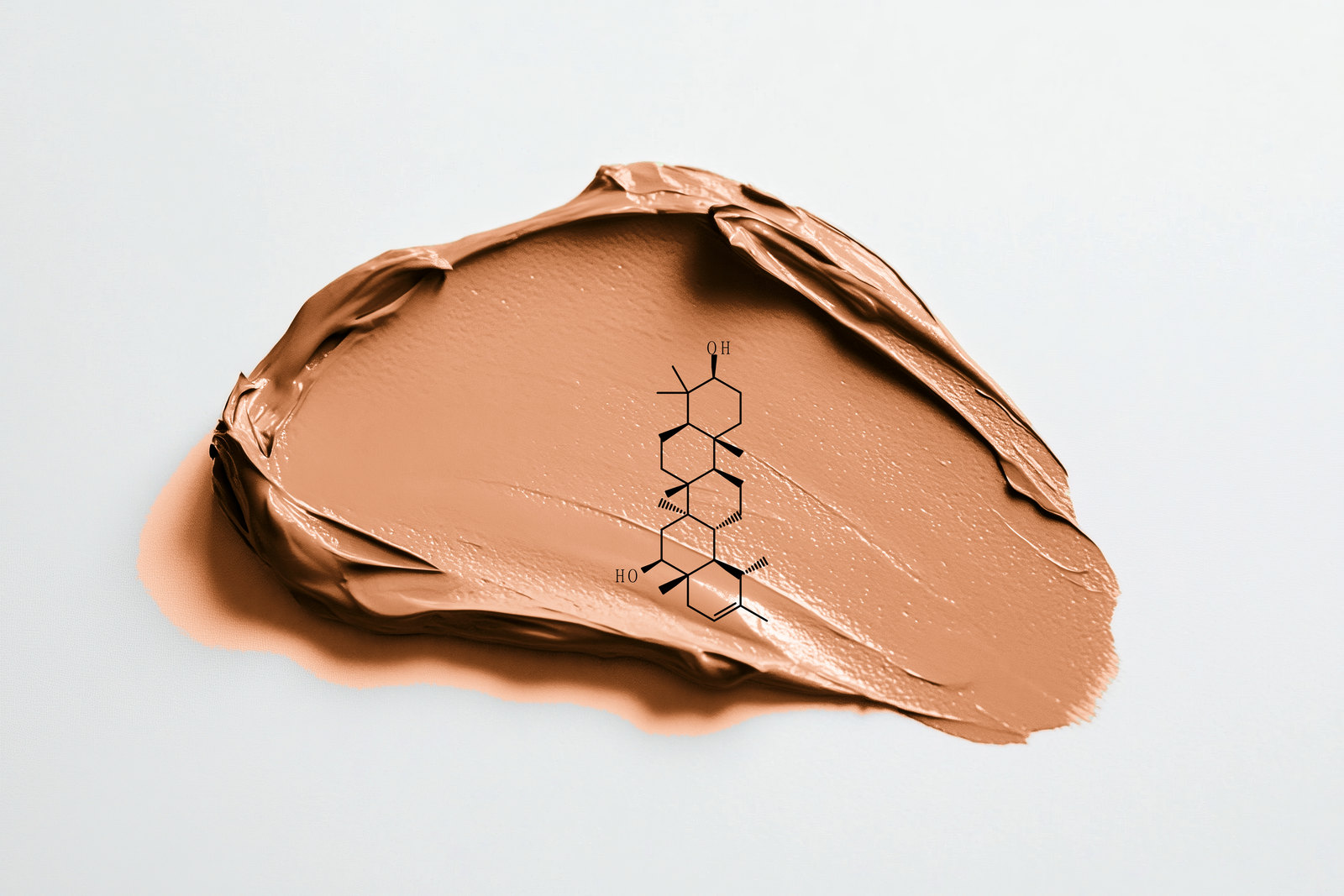
Calendula Officinalis Flower Extract
What is Calendula Officinalis Flower Extract?
Calendula, also known as marigold, is one of Europe’s most established medicinal and nurturing plants. Its bright yellow and orange flower petals are not only visually appealing; they are also rich in nutritive substances. The extracts and oils derived from marigold blossoms have a soothing effect on irritated skin, alleviate tension, and boast a bevy of valuable antioxidants.
Native to the Mediterranean Basin, Calendula quickly spread northward into kitchen gardens and fields throughout Central Europe, where it has been a staple of herbal medicine for centuries. A ubiquity in gardens everywhere, marigold has long held a place in European folk medicine; more recently, since the late 19th and early 20th centuries, this versatile marigold flower has made its way into ever more modern pharmaceutical products. Since then, it has become an integral ingredient in numerous ointments, poultices, and tinctures for wounds and other ailments.
Botanically, Calendula is part of the Asteraceae family, which also includes species such as mugwort and ragweed.
Calendula Officinalis Flower Extract at a Glance
- INCI Name: CALENDULA OFFICINALIS FLOWER EXTRACT
- Synonyms: (Pot) Marigold Extract
- Origin: natural
- Country of Origin: Originates from the Mediterranean region; now cultivated around the world
- Category: Medicinal plant
- Characteristics: Mild, herbal-floral scent; clear to honey-colored liquid
What are the Benefits of Marigold Extract?
Marigold extract is known for its soothing effect. It can alleviate irritated or reddened skin, and has a softening effect as it gently nourishes rough areas. It also promotes wound healing and moisturizes dry or stressed skin patches.
Additionally, marigolds are full of beneficial compounds, such as flavonoids, carotenoids, and triterpene saponins. The latter act as antioxidants and have anti-inflammatory and even antimicrobial properties, earning Calendula officinalis flower extract its reputation as a natural way to manage acne and eczema.
Calendula receives the highest EWG rating, indicating that it has a high level of safety and poses minimal risk of causing irritation or toxicity. Calendula is generally well tolerated, which is why it is often used in products for children and babies.
How Calendula Officinalis Flower Extract is Used in Cosmetic Products
Modern extraction methods have made it possible to isolate the active ingredient in marigold in quantities of reliable quality. The cosmetics industry only works with flower extracts that meet clearly defined standards for acceptable concentrations of flavonoids, carotenoids, and triterpenes.
Calendula can now be found in a wide range of care products – from creams, lotions, and balms to ointments, tonics, and mild cleansing shampoos and treatments for the scalp. It is particularly beneficial in the treatment of sensitive, dry, or irritated skin, including skin that has been dehydrated by frequent handwashing and hand-sanitizing.
INFORMATION ABOUT
other ingredient
Ada Cosmetics Expert Stories

Cosmetic ingredients
Cosmetic ingredients are the active and inactive chemicals used to make cosmetics and other personal care products. Each ingredient plays one or more important roles in the end formulation, ranging …
Read more
Allergens in Cosmetics
Most cosmetics contain at least one or more ingredients classified as potential allergens. Both natural and synthetic chemical ingredients have the potential to cause an allergic reaction, and those …
Read moreFAQ about Calendula Officinalis Flower Extract
What are the Side Effects of Using Calendula Flower Extract?
Cosmetic use of Calendula flower extract is considered generally safe, but some individuals may experience mild skin irritation, redness, or allergic reactions. These effects are rare and often occur in those with sensitive skin or allergies to plants in the daisy family. Performing a patch test before regular use can help prevent unwanted side effects.
Is Calendula Ointment Safe for Use on the Face?
Calendula ointment provides instant relief for dry and irritated areas of the skin (e.g., around the nose and cheeks in winter, including the lip contour). For everyday use on the rest of the face, a lighter Calendula cream or gel is more suitable. Depending on the formulation and concentration, marigold extract is usually absorbed quickly, soothing, hydrating and softening the skin.
Is Calendula Cream Pore-clogging?
Calendula cream is generally considered non-comedogenic, so it’s not likely to clog pores.
Is Calendula Good for Wrinkles?
As for wrinkles, calendula has antioxidant and anti-inflammatory properties that may support skin repair and hydration, which can help soften fine lines. However, it’s not a strong anti-aging treatment compared to retinoids or peptides.