Panthenol
What is Panthenol?
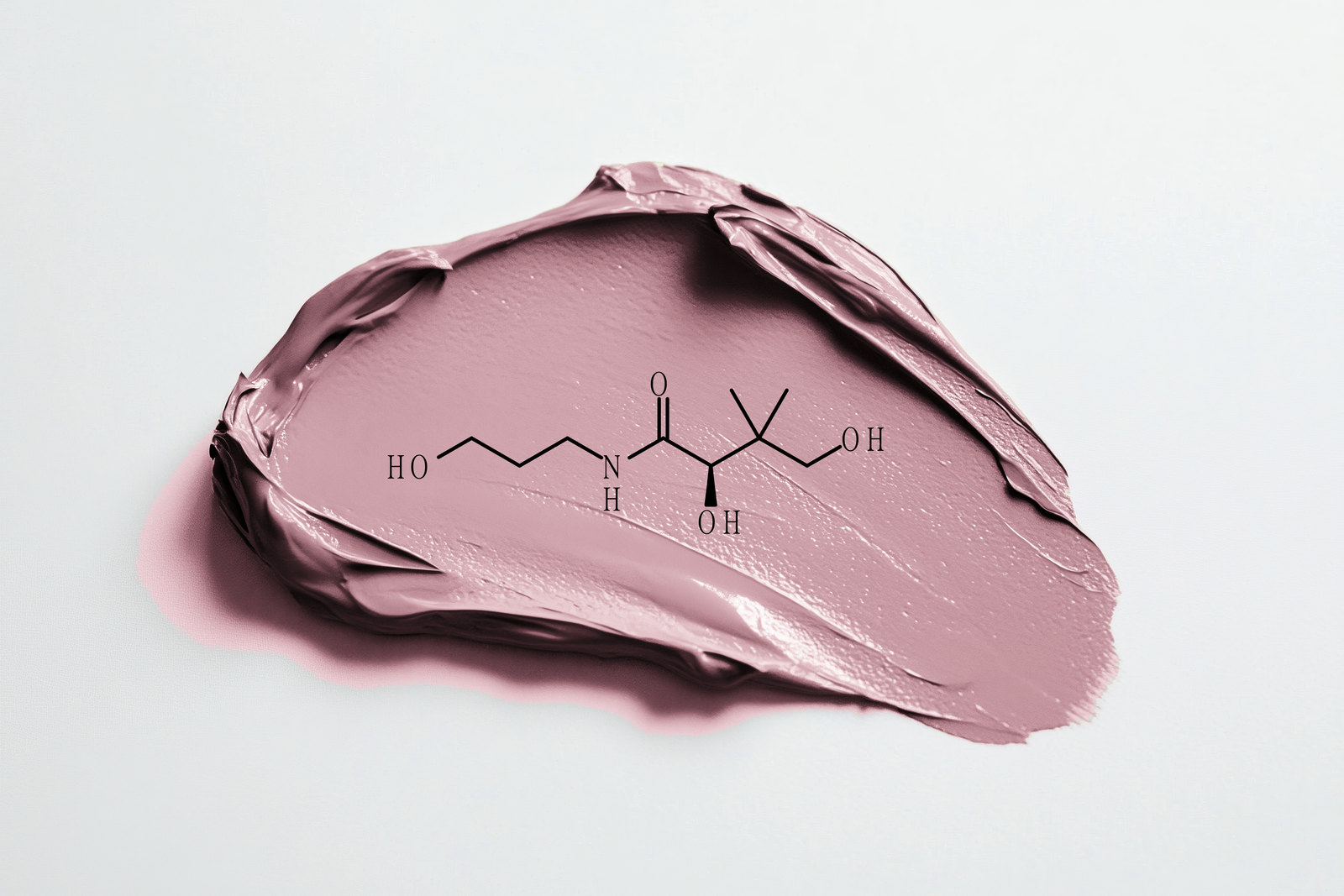
Panthenol is a type of alcohol that originates from pantothenic acid. Its name is derived from the Greek word “pantothen,” meaning “from all sides” or “everywhere.” The name is a reference to the ubiquity of pantothenic acid in all human and animal life forms.
A synthetic version of panthenol has become one of the most common active ingredients in skin and hair care products. Once panthenol is applied to the skin or hair, it is processed into and absorbed as vitamin B5, a nutrient essential for various bodily functions.
Panthenol has become indispensable in modern cosmetics because of its exceptional moisturizing and soothing properties. It can also help the body fight irritation, inflammation, and water loss. From dry skin to sensitive scalps or damaged hair, panthenol is considered a universal remedy that has been scientifically proven to be effective.
Panthenol at a Glance
- INCI Name: PANTHENOL
- Synonyms: dexpanthenol, provitamin B5, pantothenol
- Origin: synthetic in cosmetics
- Country of Origin: Major production and export countries include China (top producer), United Kingdom, Germany, and the United States.
- Category: provitamin
- Characteristics: transparent to light yellow, viscous, odorless or white powder
What are the Benefits of Panthenol?
Panthenol’s natural counterpart, vitamin B5, is found in almost all living organisms. In the 1930s, researchers discovered its vital role in cell metabolism. With that in mind, a few years later, they were able to utilize panthenol as a regenerating agent in wound and healing ointments.
In the following decades, panthenol was introduced in the cosmetics industry. Its many uses and versatility made it the perfect ingredient for skincare products as well as hair care. Panthenol can have moisturizing, nourishing, lubricating, and strengthening effects on the body.
Panthenol is exceptionally well tolerated and has long been the subject of scientific research. Ongoing scientific studies are uncovering more and innovative ways to include panthenol in skin and hair care product formulations.
It is EWG verified with a Skin Deep ingredient hazard score of 1, which means that its risk profile for common concerns like cancer, allergies, toxicity or use restrictions is very low. The CIR has reviewed panthenol and considers it safe, as it is currently used in cosmetics, with a very low risk of side effects in general.
How Panthenol is Used in Cosmetic Products
Panthenol is found in a variety of skin and hair care products, such as creams and lotions, shampoos and conditioners, as well as in beauty cosmetics like mascara and lipstick. It has soothing, moisturizing, anti-inflammatory properties.
Applications include:
- Remedies for dry, irritated, or sensitive skin;
- Ointment for wound healing;
- Treatment for neurodermatitis, eczema, or sunburn;
- Conditioning of damaged or dry hair;
- Tattoo and scar care;
- After-sun solutions.
INFORMATION ABOUT
other ingredient
Ada Cosmetics Expert Stories

Cosmetic ingredients
Cosmetic ingredients are the active and inactive chemicals used to make cosmetics and other personal care products. Each ingredient plays one or more important roles in the end formulation, ranging …
Read more
Allergens in Cosmetics
Most cosmetics contain at least one or more ingredients classified as potential allergens. Both natural and synthetic chemical ingredients have the potential to cause an allergic reaction, and those …
Read moreFAQ about Panthenol
What is the difference between panthenol and biotin?
Panthenol and biotin are both B vitamins but serve different purposes. Panthenol (provitamin B5) moisturizes and improves skin and hair texture. Biotin (vitamin B7) supports hair growth, skin health, and metabolism. While panthenol is often used topically, biotin is usually taken as a dietary supplement for internal benefits.
What are potential side effects of panthenol?
Panthenol is generally considered safe, but some people may experience side effects. These can include skin irritation, redness, itching, or rash, especially on sensitive skin. In rare cases, allergic reactions may occur. When used in hair or skincare products, it’s important to patch test a small area of skin to avoid unwanted reactions.
Is Panthenol safe for daily use for all skin types?
Panthenol is considered safe for daily use and is well-tolerated by most skin types, including sensitive skin. It helps hydrate, soothe, and protect the skin barrier. However, rare allergic reactions or irritation may occur.