Hotel Management

Guest Satisfaction in Hotels: How to Improve it

26 June 2026

Guest Satisfaction in Hotels: Overview

  • Definition: The measurement of how a hotel’s products and services meet or surpass guest expectations.
  • Key Drivers: Cleanliness, staff attentiveness, and easy-to-use technology.
  • Revenue Impact: Happy guests leave better reviews, which leads to higher room rates (Revenue Per Available Room).
  • Measurement Tools: Quantitative surveys and qualitative review analysis.
  • Modern Trends: A focus on sustainability and personalised wellness amenities.

What Is Guest Satisfaction in Hotels?

Guest satisfaction happens when what a guest experiences matches what they expected when they booked. According to the 2026 Guest Experience Benchmark, global guest satisfaction reached a record of 86.7% in 2025. This shows that despite rising costs, hotels are getting better at meeting guest needs.

In Europe, this “satisfaction index” grew slightly more slowly than in other regions, reaching 86.3%. This suggests that European guests have very high standards, particularly regarding a property’s feel and service. Satisfaction is the result of every small interaction from check-in to check-out.

Why Is Guest Satisfaction Important?

High satisfaction levels are a hotel’s best protection against rising costs and competition.

Impact on Revenue & Repeat Business

Research from Cornell University’s Centre for Hospitality Research indicates that guest engagement through surveys and personalised feedback significantly increases the likelihood of future bookings. Furthermore, a one-point increase in a hotel’s user rating on a 5-point scale can allow an operator to increase room rates by over 11% while maintaining the same occupancy level.

Impact on Online Reputation & Reviews

Most travellers today will not book a room without reading reviews first. Data from Hospitality Net reveals that Google has now overtaken TripAdvisor as the top place for hotel reviews. A high Google rating is like a digital magnet that attracts new bookings for free.

Impact on Brand Differentiation

A study by PoB Hotels found that for 75% of luxury travellers in Britain, a sense of “heritage” and “story” is a top priority. Being known for excellent service helps your hotel stand out. It makes your property a specific choice for travellers, rather than just another option on a list.

What Are Key Factors That Influence Guest Satisfaction?

To improve your scores, focus on the areas that guests care about most.

Cleanliness & Room Comfort

Cleanliness is the number one priority for guests. However, a SiteMinder report shows that 87% of UK travellers are now willing to pay extra for “splurges” like better views or larger rooms. Comfort also includes the quality of bathroom products and towels.

Staff Interaction & Service Quality

The human touch is still the main ingredient of hospitality. Data from PwC UK emphasises that investing in people and upskilling is critical to maintaining service standards as operating costs rise. When staff feel supported, they are more likely to provide the high-level service that drives positive reviews.

Case Study: Tara Lodge, Belfast. A boutique hotel has consistently held the top spot on TripAdvisor in Belfast, earning a place in the TripAdvisor Travellers’ Choice “Best of the Best” Hall of Fame. Their success is built on a culture of staff empowerment and personal greetings. By focusing on the “small details” of human connection, they ensure that every guest feels remembered.

Case Study: Harvey’s Point, Donegal. This Irish hotel is frequently cited for its excellence in guest satisfaction. According to Failte Ireland’s excellence standards, Harvey’s Point succeeds by prioritising “the art of hospitality.” Their team is trained to anticipate guests’ needs before they ask, which has led to multiple “Number 1 Hotel in Ireland” awards.

Personalisation & Guest Recognition

Guests want to feel known. McKinsey & Company reports that 71% of customers expect personalised interactions. Simple gestures like remembering a guest’s favourite drink or providing a quiet room away from the lift if they asked for one before make a massive difference. In the luxury sector, using guest history to tailor the stay can increase the likelihood of a return visit by 35%.

Technology & Convenience

Technology should make life easier. According to the Hilton 2026 Trends Report, 73% of global travellers now value digital check-in to improve their stay. Additionally, a Mews survey of 2,000 travellers found that nearly 80% are willing to stay at a hotel with automated check-in options.

Case Study: Scandic Hotels, Scandinavia

Scandic Hotels Sweden has successfully integrated Clevertouch technology to improve both guest and staff experiences. At their pilot site, Hotel Continental in Stockholm, the group replaced paper folders with digital communication screens in meeting rooms and public spaces. According to Clevertouch case study data, this transition led to higher satisfaction rates, as guests appreciated the modern, interactive features that enabled seamless information sharing and reduced administrative delays.

Value for Money

Guests judge value based on whether the price they paid feels fair for the quality they received. According to a HOTREC report, European luxury hotels typically receive high marks for quality, but budget hotels in the region often struggle to meet global expectations for value. Closing this gap is a key way to increase guest satisfaction in hotels without a five-star budget.

Focusing on “high-impact” basics, such as premium guest amenities and spotless rooms, makes a stay feel more expensive than it actually is. When the room standard exceeds the nightly rate, hotel guest satisfaction improves because guests feel they have secured a bargain without sacrificing comfort.


How Do You Measure Guest Satisfaction in Hotels?

Accurately tracking your performance allows you to make the specific changes needed to improve.

Guest Satisfaction Surveys

A short survey is the best way to get honest feedback. Most hotels use the Net Promoter Score (NPS). This asks one main question: “How likely are you to recommend us?”

Online Review Monitoring & Reputation Management

Checking reviews on platforms such as Google and Booking.com daily is essential in the modern hotel industry. According to the 2025 Tripadvisor Transparency Report, business owners responded to over 11 million reviews in 2024 alone, highlighting how central engagement has become to brand management.

Data from the Expedia Group 2025 Traveller Value Index shows that 75% of travellers are willing to pay more for a hotel with better reviews, proving that a strong reputation directly supports higher room rates. While many operators focus on speed, a Cornell University study suggests that the quality of the response is what really makes a difference. Personalised replies that show the hotel is actually listening are far more effective at building trust than generic, automated templates.

Social Media & Guest Messaging

Guests in 2026 expect to communicate through the apps they use every day. Messaging is now a primary technology to improve hotel guest satisfaction. Research from Expedia found that 61% of travellers use social media for trip inspiration and validation. Social media use for travel has increased by nearly 30% in just a few years. Platforms like WhatsApp allow staff to solve problems in real time. Handling a request immediately prevents a minor issue from turning into a negative public review later.

Staff Feedback Loops

Hotel floor staff often hear feedback from guests who never submit a formal survey. According to an extensive study from the Saïd Business School (Working Paper 2019-13), happy and engaged workers are 13% more productive. The research shows a strong link between employee well-being and higher performance levels. When staff feel their observations are valued, they contribute more effectively to the overall guest experience.

Creating a system where staff report verbal comments to management helps identify hotel guest satisfaction improvement strategies that digital data might miss. For example, a housekeeper might notice a guest struggling with a heavy door, or a waiter might hear a recurring complaint about the lighting. Sharing these small details allows the hotel to fix issues before they impact more guests.

What Are Proven Strategies to Improve Guest Satisfaction?

If you are looking for how to increase guest satisfaction in hotels, these strategies are proven to work:

Map and Optimise the Entire Guest Journey

Successful operators look at every step a guest takes, from visiting the website to the final check-out. A study published in Emerald’s Consumer Behaviour in Tourism and Hospitality (2025) suggests that managing the consumer journey as a single, connected flow is essential for building guest loyalty. Analysing the stay from beginning to end helps identify specific pain points, such as a confusing booking form or a long wait for luggage.

Mapping these hurdles early allows a hotel to address problems before they affect guests’ moods. Research from Deloitte shows that a “frictionless” journey remains a top priority for modern travellers. When a hotel removes small frustrations throughout the stay, the hotel guest experience feels better managed and more professional. Using these insights to refine the booking and arrival process is a proven way to increase guest satisfaction in hotels.

Invest in Staff Training & Empowerment

Give your team the power to fix problems on the spot. If a guest is unhappy with their breakfast, a server should be able to take it off the bill immediately without asking a manager. Speed of response is one of the most effective ways to improve guest satisfaction techniques. Fixing an issue instantly often turns a bad experience into a positive one.

Example: At The Ritz-Carlton, employees receive a daily discretionary fund to resolve guest issues or create special moments without waiting for a supervisor’s approval.

Leverage Technology to Reduce Friction

Barclays 2026 Outlook suggests that reducing “friction” at these points is a key priority for UK hospitality. If your website is hard to use, 52% of guests will give up and book elsewhere.

Personalise at Every Touchpoint

In 2026, hyper-personalisation is the goal. According to Mews, personalisation can range from asking for a preferred room temperature to providing a welcome gift tailored to the specific purpose of the trip. Tailoring the stay makes a guest feel valued rather than just a booking number.

Act on Guest Feedback in Real Time

Don’t wait until the guest has left to ask how they are doing. A quick text or a QR code in the room asking “Is everything okay?” on the first night lets you address any issues before they become a negative review. Revinate research shows that mid-stay surveys can see response rates as high as 33%.

Design On-Property Experiences

Focus on the sensory experience. Savills Research notes that in the experience-led economy, guests prioritise memories over possessions. Prioritising the scent of the lobby, the texture of the linens, and unique on-site events like local gin tastings or rooftop pilates creates the type of stay guests recommend to others.

3 Ideas to Improve Guest Satisfaction

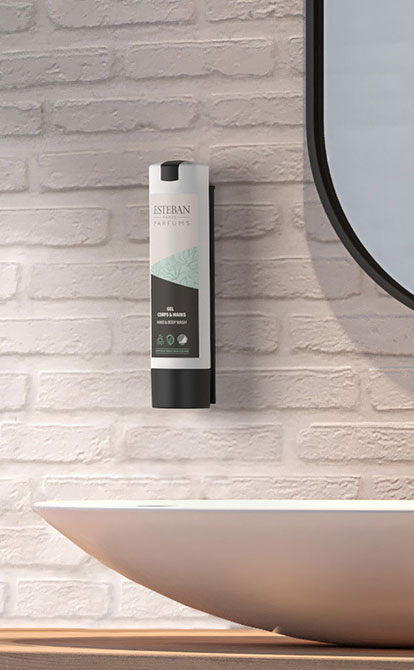
  1. Focus on “Quiet Sustainability”: In 2026, guests value authentic green choices over flashy “eco” marketing. Swapping small plastic bottles for high-quality, refillable luxury amenities shows you care about the planet and the guest’s experience.
  2. Highlight Local Culture: Provide guests with an insider’s guide to your area. Mentioning your favourite local coffee shop or a hidden park makes a stay feel more authentic. Partnering with local artisans for lobby decor or sourcing locally for the breakfast buffet adds special value to the trip.
  3. Upgrade the “Basics”: Invest in the things guests touch most. High-thread-count sheets and premium soaps in the bathroom leave a lasting impression of quality. A study by the National Sleep Foundation indicates that sleep quality is a leading factor in how guests rate their overall experience.

FAQ

What is a good guest satisfaction score for hotels?

In Europe, a Net Promoter Score (NPS) of 50 is very good. Top luxury hotels often aim for 70 or higher.

How can small hotels improve guest satisfaction on a budget?

Focus on cleanliness and being genuinely helpful. A warm welcome and a clean room cost very little, but travellers value them highly. Keystone Law notes that even budget hotels can deliver great stays through strong local stories and helpful teams.

How often should hotels send guest satisfaction surveys?

The industry standard is a single post-stay survey sent within 24 hours of check-out. A quick message during the first 24 hours of the stay can also help catch problems while the guest is still on-site.

What is the difference between guest satisfaction and guest experience?

Guest experience is the total of everything that happens during the stay. Guest satisfaction is how the guest feels about those events afterwards.

CONTACT
SHOP NOW

Buy ADA Cosmetics products in our online shop.

REQUEST AN OFFER

For product inquiries worldwide, please contact our sales partners.

CONTACT

For contact inquiries of all kinds, please use our contact form. We will get in touch with you as soon as possible.