Dicaprylyl Ether
What is Dicaprylyl Ether?
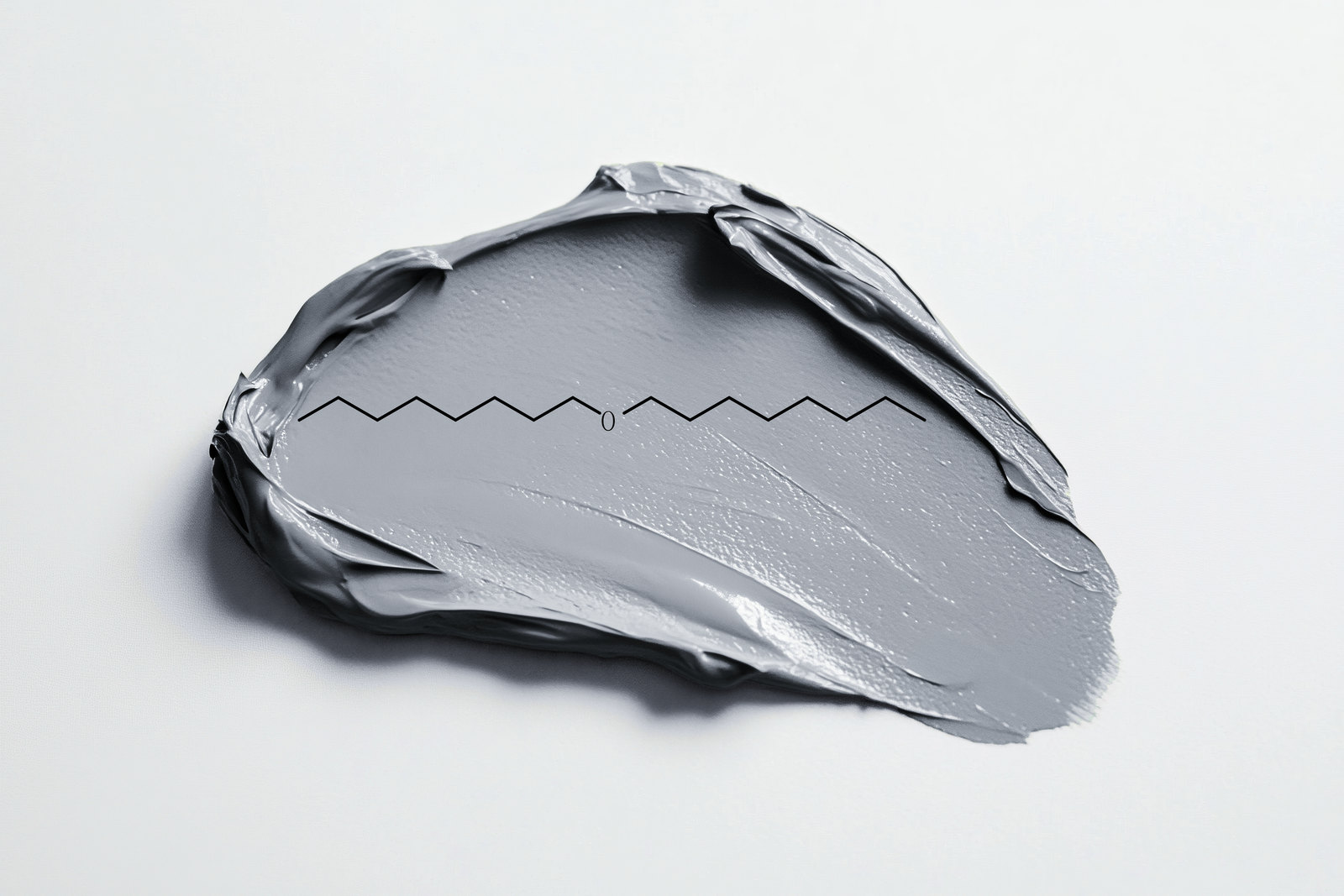
Dicaprylyl ether, also known as dioctyl ether, is a light, oil-soluble ingredient that is frequently used in cosmetics and skin care products because of its excellent properties as an emollient. It feels remarkably light on the skin, spreads easily, is absorbed quickly, and leaves behind a silky finish that doesn’t feel greasy.
Dioctyl ether is an all-purpose ingredient that brings an array of benefits to a variety of skincare formulations: It makes creams smoother while simultaneously improving the uptake of oil-soluble, active ingredients.
Dicaprylyl ether is a synthetic compound that is produced through a chemical process known as etherification. This process combines two molecules of caprylic alcohol – a fatty alcohol that is derived from natural sources, such as coconut oil or palm kernel oil. Under controlled conditions and typically with the help of an acid catalyst, the two molecules react to form dicaprylyl ether and water. To ensure purity and prevent by-products, the process requires careful temperature and pH control. The mixture is then purified through distillation and filtered to isolate the final product.
Dicaprylyl Ether at a Glance
- INCI Name: DICAPRYLYL ETHER
- Synonyms: Dioctyl Ether
- Origin: Derived from natural sources; final chemical compound is synthetic
- Category: Emulsifier
- Characteristics: Colorless, thin, water-insoluble oil base
What are the Benefits of Dicaprylyl Ether?
Dicaprylyl Ether is a lightweight skincare ingredient that makes the skin appear smoother and well-conditioned. It creates a silky effect without leaving behind a greasy film. It spreads easily, is less sticky than other compounds, and provides a dry, silky, lightweight finish.
Dioctyl ether is also a powerful ingredient for hair care products. It reduces dullness, adds shine, and makes hair easier to manage while keeping it light and airy.
Though working with limited data, the EWG awarded dicaprylyl ether its highest score, which indicates that a compound poses a low hazard or risk of causing common concerns, such as cancer, allergies or toxicity. It is generally considered to be a well-tolerated ingredient for most skin types.
How Dioctyl Ether is Used in Cosmetic Products
Following the demand for lighter, fast-absorbing skincare products, dioctyl ether has become a standard ingredient in cosmetic products in recent decades. Its trademark “dry-touch” finish is distinct. The compound spreads easily, feels barely sticky, and leaves the skin feeling silky smooth, without the familiar, heavy film left by many traditional oils.
While mimicking the refined lightness of silicones, dicaprylyl ether is typically derived from plant-based raw materials (e.g., caprylic acid from coconut or palm oils), positioning it as a more natural alternative to silicone. Although it cannot completely replace silicones, it is a versatile compound that has many uses when combined with other light emollients. Dicaprylyl ether makes for skincare products that are not only effective but also feel exceptionally good on the skin.
Applications include:
- Face and body lotions
- Cleansing oils
- Hair care
- Sun protection
- Deodorants (sticks/sprays)
- Makeup (primers, foundations, lip products)
Dicaprylyl ether is particularly valuable in light, fast-absorbing care products, such as hand and body lotions in warm climates, where it provides a silky-smooth finish.
INFORMATION ABOUT
other ingredient
Ada Cosmetics Expert Stories

Cosmetic ingredients
Cosmetic ingredients are the active and inactive chemicals used to make cosmetics and other personal care products. Each ingredient plays one or more important roles in the end formulation, ranging …
Read more
Allergens in Cosmetics
Most cosmetics contain at least one or more ingredients classified as potential allergens. Both natural and synthetic chemical ingredients have the potential to cause an allergic reaction, and those …
Read moreFAQ about Dicaprylyl Ether
Is Dicaprylyl Ether Safe for all Skin Types?
Dicaprylyl ether is generally safe for all skin types, including sensitive and oily skin. It is non-comedogenic, lightweight, and non-irritating. Commonly used in skincare, it helps improve texture without clogging pores.
What are Possible Side Effects from Dioctyl Ether?
Dicaprylyl Ether is well-tolerated by most skin types, but mild side effects can occur in rare cases. These may include slight irritation, redness, or allergic reactions, particularly in very sensitive skin. Always perform a patch test before use, especially if you have known sensitivities or reactive skin conditions.
Is Dicaprylyl Ether Biodegradable or Eco-friendly?
Dicaprylyl Ether is considered biodegradable and generally eco-friendly when used in typical cosmetic concentrations. It breaks down naturally without causing significant harm to aquatic life or ecosystems. However, as with all ingredients, sustainable sourcing and responsible formulation play key roles in minimizing overall environmental impact.