Aloe Vera
What is Aloe Vera?
Aloe barbadensis, more commonly known as Aloe vera, is one of the most famous and popular plant-based ingredients in skin care – and for good reason. Its gel-like leaf extract contains moisturizing polysaccharides and soothing phytosterols. This unique combination makes Aloe vera a true classic.
Its cooling effect has been enjoyed in modern cosmetic products for decades, especially as a moisturizer and after-sun care product. After processing to remove a skin-irritating latex compound, Aloe vera has a revitalizing and refreshing effect on skin. It is ideal to gently soothe and moisturize sensitive, tight, or suntanned skin.
Aloe barbadensis is one of the longest-established medicinal plants worldwide and has been used in skin care for thousands of years. There are records of the cooling leaf gel being applied in Ancient Egypt, Greece, the Arab world, and India as part of the Ayurvedic tradition. These applications almost always utilized “True Aloe” (Aloe barbadensis), one of approximately 400 known species of the Aloe family.
Historically, two very different parts of the plant were used: the clear, water-rich gel from within the leaf to soothe sun- and wind-damaged or otherwise dry skin; and the yellowish latex directly under the leaf bark, which was long used as a powerful laxative due to its anthraquinones.
Aloe Vera at a Glance
- INCI Name: ALOE BARBADENSIS LEAF JUICE, ALOE BARBADENSIS LEAF EXTRACT
- Synonyms: Aloe Vera, True Aloe, First Aid Plant, Lily of the Desert
- Origin: natural
- Country of Origin: warm, dry regions (e.g. Mexico, Spain, India, USA)
- Category: Medicinal plants
- Characteristics: Clear to slightly yellowish, watery gel, cooling, non-greasy
What are the Benefits of Aloe Vera?
True Aloe helps the skin retain moisture. Especially after stressors on the skin such as intense sun exposure or shaving, Aloe vera can noticeably alleviate feelings of tightness while soothing and rehydrating the skin. This light-colored gel can make the skin’s surface appear smoother without weighing it down, and it can support the skin’s barrier function.
Aloe barbadensis is also known as a “First Aid Plant” as it supports wound healing while reducing inflammation and further swelling in bruises and bumps.
Finally, Aloe vera is also beneficial for both hair and scalp. In addition to moisturizing and soothing the scalp, it can also reduce dandruff and promote hair growth. It is rich in vitamins and enzymes that strengthen strands, balance the scalp pH level, and act as a natural conditioner. Its anti-inflammatory and antifungal properties make it ideal for fostering a healthy scalp and hair.
Aloe barbadensis is generally very well tolerated, even by the most sensitive of skin types, as long as only the purified leaf extract is utilized. Products made from “whole leaves” contain latex and are not suitable for skin care.
True Aloe has been EWG verified and has earned the organization’s highest score, indicating that it poses the lowest risk for common concerns, such as cancer, allergies or toxicity.
How Aloe Vera is Used in Cosmetic Products
Aloe vera first garnered interest from the modern cosmetics industry once clean separation and stabilization processes were developed. The clear, gel-like leaf extract is the only part of the plant that is processed for dermatological use, while the anthraquinone-containing, yellowish Aloe latex is all but completely removed.
A mechanism was developed to fillet, filter, debitter (remove the accompanying latex substances), pasteurize, and standardize the delicate gel immediately after its harvesting in the 20th century. For the first time, it became possible to mass-produce safe, high-quality extract that met strict industry standards and contained only minimal traces of unwanted by-products.
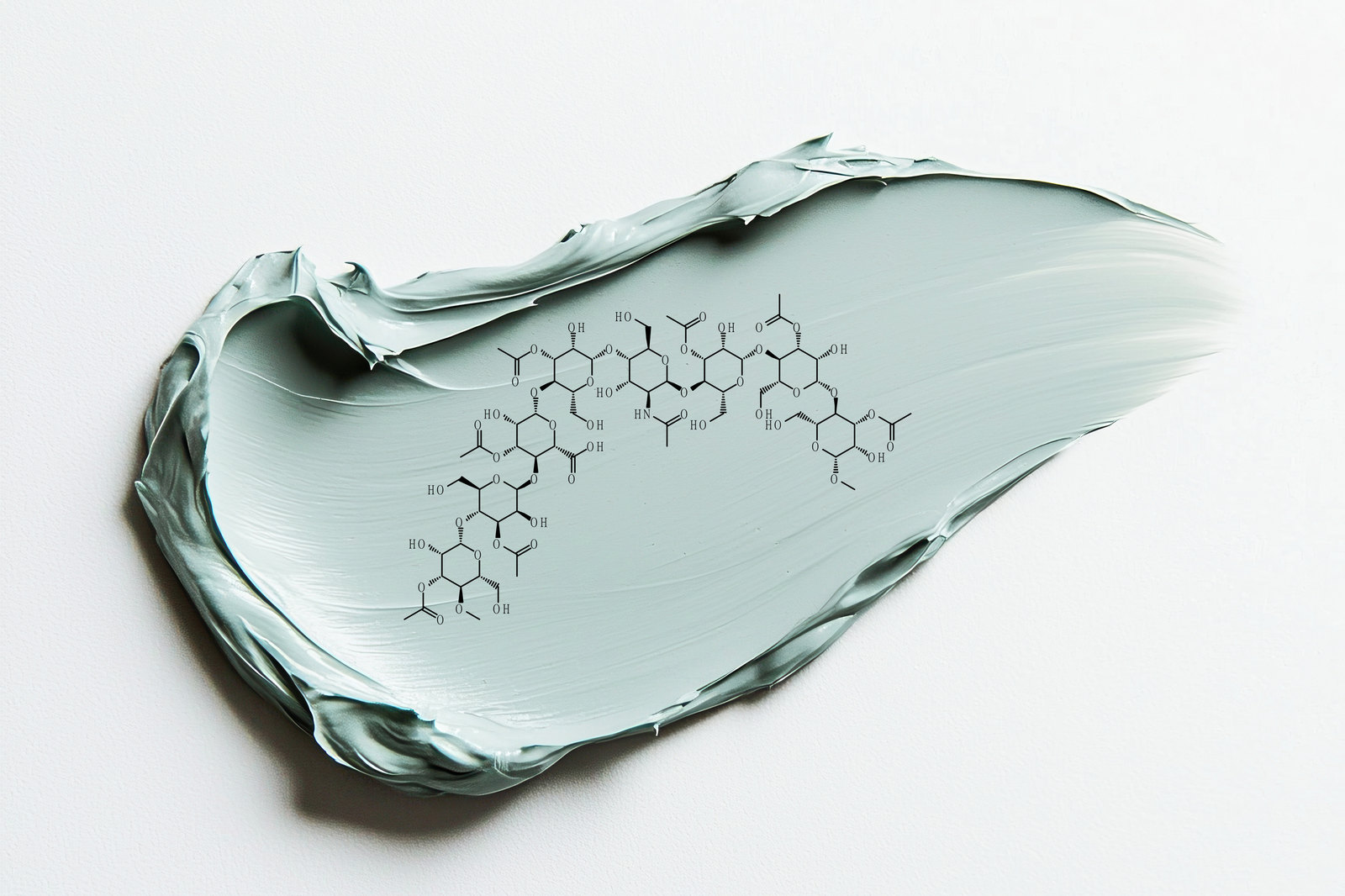
More than 99% of Aloe vera gel is water. Its unique nourishing properties come primarily from the small quantity of polysaccharides – and in particular, aloverose/acemannan – that it contains. These also serve as important indicators for quality control purposes. Standardized purity and concentration standards are enforced throughout the industry.
The efficacy of Aloe barbadensis in cosmetics largely depends on the concentration. Typical moisturizing creams, for example, contain 10 – 15% Aloe gel. However, studies indicate that even very small amounts of concentrated Aloe can be beneficial.
Aloe vera is broadly utilized in a variety of cosmetics, including hair care, body soap, face cream, hand and body lotion, as well as after-sun and aftershave products.
Applications include:
- Sensitive, dehydrated, or tight skin,
- Itchy or dry scalps,
- After sun treatment,
- Razor burn or shaving irritations.
INFORMATION ABOUT
other ingredient
Ada Cosmetics Expert Stories

Cosmetic ingredients
Cosmetic ingredients are the active and inactive chemicals used to make cosmetics and other personal care products. Each ingredient plays one or more important roles in the end formulation, ranging …
Read more
Allergens in Cosmetics
Most cosmetics contain at least one or more ingredients classified as potential allergens. Both natural and synthetic chemical ingredients have the potential to cause an allergic reaction, and those …
Read moreFAQ about Aloe Vera
What to Look for When Choosing Products with Aloe Vera?
When choosing products with Aloe vera, check for pure, organic Aloe as a primary ingredient. Avoid artificial fragrances, dyes, or alcohols that can irritate the skin. Look for products whose quality and toxin-free manufacturing processes have been independently certified. Opt for cold-processed Aloe to retain nutrients. Transparent labeling that includes country of origin is a key indicator of product trustworthiness.
How to Use Fresh Aloe Vera for Skincare?
To use fresh Aloe vera for skincare, harvest the gel directly from the leaf and apply it immediately to clean skin. Leave it on for 10–15 minutes, then rinse. Use it daily for hydration, soothing sunburns, or calming irritation. Aloe can also be mixed with oils or masks for enhanced moisturizing and anti-inflammatory benefits.
What is the Difference Between Aloe Vera Gel and Aloe Vera Juice?
Aloe vera gel is a thick, clear substance from the inner leaf, mainly used topically to soothe skin. Aloe vera juice is a diluted liquid made from the whole leaf or the inner gel of the plant and is consumed for general digestive and health benefits. Aloe vera gel is for external use, while Aloe vera juice supports internal wellness.