Shea Butter
What is Shea Butter?
Shea butter, also known as butyrospermum parkii butter, is a gift from the African Savanna. For centuries, it has been valued for its exceptional conditioning properties, such that modern-day makers of natural cosmetics regard this rich vegetable fat as an indispensable ingredient. It provides intensive moisture to the skin and hair, supports regeneration, and protects against harmful, environmental toxins.
The history of shea butter goes back centuries, and its roots are deeply embedded in many African cultures. Legend has it that even Cleopatra used shea butter as part of her daily hair and skincare regimen. The karité tree (Vitellaria paradoxa), whose nuts form the basis for this valuable butter, thrives in the wooded steppes of the so-called “shea belt” between Senegal and Uganda. In the Mandinka language, ‘karité’ means “life.”
Traditionally, women harvest the fruit, remove the pulp in a complex process passed down through generations, boil the nuts, dry them, and finally process them into a rich butter. This cultural and economic role has earned shea butter the nickname “women’s gold.”
Shea Butter at a Glance
- INCI Name: BUTYROSPERMUM PARKII BUTTER
- Synonyms: Karité Butter, Galam Butter, Bambuk Butter, Vitellaria Paradoxa
- Origin: natural
- Geographic Origin: West, Central and East Africa (especially Burkina Faso)
- Category: plant butter
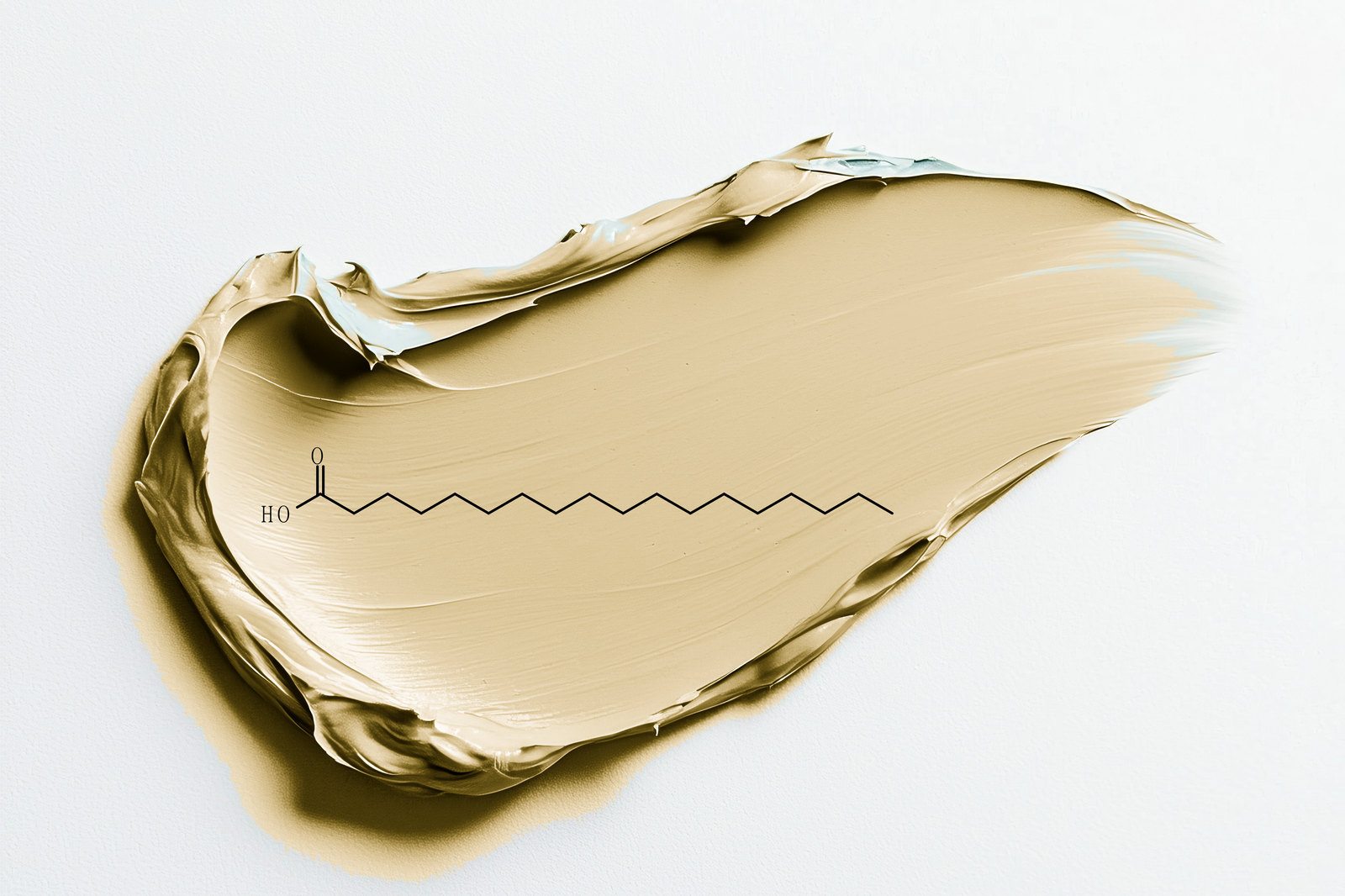
- Characteristics: Solid, butter-like consistency at room temperature, melts on contact with the body, yellowish-beige color, mild nutty smell
What are the Benefits of Shea Butter?
Shea butter is highly moisturizing, nourishing, and soothing. It regenerates dry skin, strengthens the skin’s protective barrier, and preserves moisture in skin and hair.
Butyrospermum parkii butter is a source of natural, non-synthetic vitamins A, E and F, antioxidants and fatty acids; its composition makes for an ideal combination to protect against premature aging, increased sun exposure, as well as insect bites, rashes, allergic reactions or stretch marks. It reduces inflammation in the body, and it promotes the natural healing of minor cuts and bruises.
Shea butter is very well tolerated and non-comedogenic, meaning it does not clog pores, which makes it suitable even for sensitive or blemished skin. Though data is still rather limited, its EWG score indicates that it is generally considered safe, posing minimal to no risks to humans.
How Shea Butter is Used in Cosmetic Products
Shea butter earned high esteem as a medicinal and beauty product in ancient times. To this day, traditional West African medicine relies on it to treat wounds, burns, and skin irritations. It has become a universal care product for infants, pregnant women, and people with sensitive skin.
With the advance of modern, natural cosmetics, butyrospermum parkii butter has become a mainstay of international skin and hair care and an essential ingredient for natural beauty products worldwide.
Applications include:
- Creams and lotions for smooth, healthy skin and protection against loss of moisture;
- Shampoos and hair treatments to nourish dry and damaged hair, add shine, and reduce split ends;
- Soaps and shower gels to soothe and leave skin feeling velvety soft.
Shea butter is the ideal choice for dry to very dry skin that feels tight and is prone to flaking. It regenerates cracked skin on elbows, knees, or heels, and restores softness. It palpably revitalizes brittle, damaged, and dry hair, as it restores its natural sheen.
INFORMATION ABOUT
other ingredient
Ada Cosmetics Expert Stories

Cosmetic ingredients
Cosmetic ingredients are the active and inactive chemicals used to make cosmetics and other personal care products. Each ingredient plays one or more important roles in the end formulation, ranging …
Read more
Allergens in Cosmetics
Most cosmetics contain at least one or more ingredients classified as potential allergens. Both natural and synthetic chemical ingredients have the potential to cause an allergic reaction, and those …
Read moreFAQ about Shea Butter
Do Dermatologists Recommend Shea Butter?
Dermatologists recommend shea butter because it is well tolerated and has skin-nourishing properties. As it contains valuable fatty acids, vitamin E, and allantoin, it is often prescribed for dry, sensitive skin and even skin prone to eczema. It is non-comedogenic, meaning it does not clog pores, which makes it suitable for a wide range of skin types.
What are Common Uses of Shea butter?
Shea butter is widely used for moisturizing dry skin, soothing eczema, and reducing inflammation. It’s also a popular way in hair care to soften and protect strands. Additionally, it helps heal minor cuts, soothes sunburn, and reduces stretch marks. Because it is a natural product, it is a popular ingredient in lip balms, lotions, and creams.
What is the Difference between Raw, Refined and Unrefined Shea Butter?
Each type suits different skincare needs and personal preferences:
- Raw shea butter is extracted without chemicals, retaining its nutrients, scent, and color.
- Unrefined shea butter is slightly processed to remove debris but still natural.
- Refined shea butter undergoes more processing to remove color and odor; it may lose beneficial properties in the process.
What Should I Look for When Buying Butyrospermum parkii butter?
When buying shea butter, look for labels that say “raw,” “unrefined,” and “100% pure.” Choose a product with a creamy texture and an ivory or yellowish color. Avoid overly white or scented versions, which may be heavily processed. Always purchase from trusted sources to ensure quality and authenticity.