Hotel & Travel Trends

The Ultimate Hotel Branding Guide for 2026

26 November 2025

The original meaning of the word “brand” had nothing to do with marketing or hotels, for that matter: It meant to “burn.” By the 1500s, the word “branding” meant the use of a red-hot iron to burn the owner’s name into the hides of his cattle. Nowadays, the word “brand” usually means the name of a company.

The connection between the two meanings of the word “brand” is instructive for hoteliers who want to build a lasting and authentic business identity. Psychologically, a well-marketed brand works because it leverages the human senses to sear, as it were, an emotional connection deep within the memory of the public. Cattle-branding is a good metaphor.

What is Hotel Branding?

Hotel branding is the total identity and reputation of your hotel in the market. In professional terms, branding in hospitality describes the crafting of a cohesive narrative that communicates your values, personality, and promises to guests at every touchpoint and connects with each of the customer’s five senses. 

Visuals that communicate a distinct sense of place and identity, such as logos and distinctive decor, are a given, but, as Martin Lindstrom in his landmark book, Brand Sense, explains, “the world’s most successful companies and products integrate touch, taste, smell, sight, and sound.” 

DoubleTree by Hilton, for example, impresses upon the taste buds with its signature chocolate chip cookies, and ever more hotels employ scent marketing. The more sensory connections your hotel can make, the stronger the overall bond between hotel and guest will be.

Why Hotel Branding Is Crucial in 2026

Hotel branding is the crucial way that hotels explain the “why” behind their establishment. Travelers today – especially Millennials and Gen Z – aren’t just booking a bed to sleep in; they care deeply about finding purpose in their travel and are looking for hotels whose story and values resonate with them. 

When you build your brand with coherent storytelling and consistent messaging, you help guests identify with your values and mission (for instance, health & wellness, sustainability, or community engagement) and reap the dual rewards of a lasting impression and guest loyalty.

Smaller hotels can leverage thoughtful branding to provide a unique sense of place and win an advantage over bigger, nondescript competitors. Large hotel chains often struggle here, sometimes falling into a cookie-cutter approach where every property is recognizable, but feels the same, conveying corporate brand identity at the expense of local “place identity.”

Delivering authenticity isn’t just a niche trend in 2026; it has become a baseline expectation. Hotel brand marketing thus must emphasize not only the brand’s core values but also its connection to the destination, aligning with the growing “travel like a local” mindset.

Five Key Elements of a Strong Hotel Brand Identity

Here are five key elements of a memorable hotel brand identity, with tips on blending brand consistency with local authenticity in each:

  1. Clear Brand Story and Values: At the heart of any brand is its story – the “why” behind who you are. Your brand story should articulate what your hotel stands for (e.g. heritage, sustainability, wellness, adventure) and why you do what you do – for guests and staff alike. This philosophy or “brand DNA” should guide all decisions you make so that your guests find a coherent narrative to connect with.
  2. Distinct Visual Identity (Logo & Design): Visual elements – including a well-designed logo, color scheme, typography, and overall design aesthetic – make your hotel instantly recognizable and should symbolically reflect your brand’s character and location. For example, a wilderness lodge might use earthy tones and nature motifs, whereas a downtown art hotel might use bold, modern graphics. Consistency is key: use the same logo and style across your signage, website, stationery, and decor to build recognition. Minimize branding that feels too corporate. Rosewood Hotels famously has “little or no branding, such as a logo, evident within the hotel itself.” Aim for balance.
  3. Consistent Service Culture and Rituals: For decades, Chik-Fil-A’s employees have responded to guest gratitude with the restaurant chain’s trademark, “My pleasure.” A hotel’s brand is likewise brought to life through the signature ways your staff interact with guests. Luxury resort brand (One&Only), for example, trains staff to give a signature heartfelt greeting, and Rosewood Hotels have distinctive designer staff wardrobes that reflect their brand’s refined style. How your staff greet and engage guests, the language and tone they use, and the special rituals or touches in service are all part of your brand identity.
  4. Memorable Guest Experience Touchpoints: Think through the entire hotel customer journey – every touchpoint from booking to check-out – and consider how to leverage which moments to highlight a sense of place. A signature scent, for example, can help shape the guests’ first impressions upon arrival. Like a “silent ambassador,” a distinctive fragrance in the lobby or rooms anchors the hotel in guests’ memory long after checkout. Other small surprises, like a nightly turndown gift or on-property hotel activities along the journey, can equally delight guests and deepen the sense of place.
  5. Integration of Local Culture and Sense of Place: Integrating local culture, history, and environment into their identity helps you communicate the “why” behind your establishment. Key differentiators genuinely reflect your surroundings in a respectful, meaningful way – a practice is sometimes called “place-based branding.” Mandarin Oriental, for instance, commissioned local artists for a collection that “combines subtle touches of Arabic art mixed with Asian art,” and blended them so well that the result is a brand-defining, unique pastiche. Keep in mind the old saw that “too much of a good thing” can become a bad thing. A clear brand image doesn’t overshadow the locale, nor does local character undermine the brand image.

How to Build a Hotel Brand Strategy

Building a hotel brand strategy is a step-by-step craft. Below are five key steps to helping you develop an effective and practical implementation plan.

  1. Define Your Core Philosophy and Purpose: Start by asking yourself: What do we want guests to remember most about their stay? This could be an exceptional level of service, a connection to nature, a focus on art and design, or a mission of sustainability. Your philosophy is the foundation for everything else – it’s the “why” of your brand. Write down a brand mission statement and a set of core values that can serve as your North Star, so to speak. Study your target customers and competitors. Ultimately, a strong brand strategy begins with a philosophy that is authentic (something you can genuinely deliver) and distinctive (setting you apart from others).
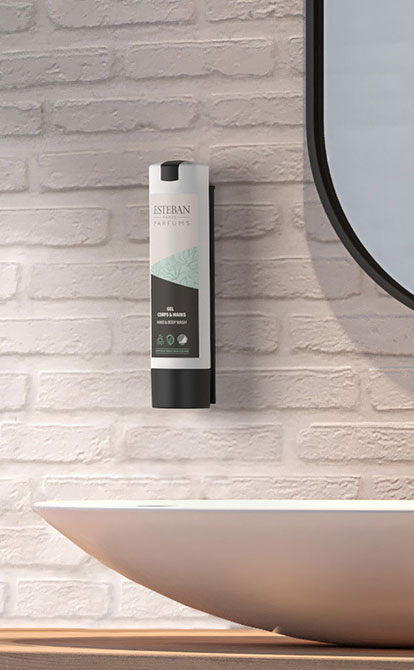
  1. Develop a Cohesive Brand Identity Toolkit: With your philosophy in mind, create the tangible elements of your brand – including a name, a logo, brand colors, font, and a tagline or slogan if appropriate – making sure each aligns with your identity and values. Location is everything when deciding on the look and feel. A resort that brands itself around tropical relaxation might use a flowing script font and an ocean-inspired color palette, whereas a modern urban hotel might opt for sleek typography and bold, minimalistic logos. Location is everything when deciding on the look and feel. A resort located in the Mediterranean might use an ocean-inspired color palette and the Hydro Touch product line to reinforce its coastal aesthetic. A modern urban hotel, by contrast, might choose sleek typography, bold minimalist logos, and the ILLI dispenser system to communicate contemporary sophistication.
  1. Map the Guest Journey and Embed Your Brand at Key Touchpoints: A great strategy doesn’t live on paper – it comes alive at every point of the guest experience journey: 
  • booking, 
  • pre-arrival communication, 
  • the stay itself, 
  • checkout, 
  • and then any post-stay follow-up. 

At each stage, plan how you will convey your brand identity and a sense of place. 

  • To build anticipation and a sense of place in the pre-arrival stage, enrich your website and social media content with stories and visuals “evocative of its location.”
  • Look at your arrival and check-in experience through the same lens: Does a formal front desk, for example, vibe with your brand’s style of hospitality?
  • During the stay, a high-end boutique might decide to reflect its brand image with spa-quality toiletries, whereas an eco-focused hotel might provide hotel cosmetics in refillable dispensers

ADA Cosmetics’ Refillution system allows hotels to offer branded, high-quality toiletries while cutting plastic waste by up to 95%. Facility offerings are an opportunity to tell your brand story, too. Mandarin Oriental hotels, for example, each have a Mandarin Cake Shop on-site, providing a beloved treat as well as a canvas to showcase local flavors in pastries.

  1. Allow Flexibility and Avoid Over-Standardization: Counter-intuitively, as you impress your brand upon various facets of your location or across multiple properties, be careful to balance consistency against flexibility and variety. To avoid the earlier noted pitfall of the cookie-cutter approach, differentiate between non-negotiable brand-level standards and flexible local highlights. Rosewood Hotels & Resorts famously say they manage “a collection of hotels” rather than a monolithic chain and do not impose uniform design standards across locations.
  2. Communicate Your Brand as an Integral Part of Your Community: An effective hotel branding strategy will showcase your place in the larger, surrounding community. Highlighting your sponsorship of local schools, charities, and other community organizations demonstrates your authentic commitment as a company to the people who make your city worth visiting. Use social media not only to showcase beautiful rooms but also local experiences. Engage with local travel bloggers, join your local chamber of commerce and tourism board, and build mutually beneficial partnerships with local businesses.

Hotel Branding Examples

Luxury hotels face the challenge of providing an authentic sense of place at each property without sacrificing a unified brand identity. Industry leaders Rosewood Hotels & Resorts and Mandarin Oriental illustrate how to strike this balance by embedding local culture into a strong brand framework.

Rosewood Hotels & Resorts

It is fair to say that Rosewood Hotels & Resorts wrote the book, so to speak, on building “A Sense of Place,” a tagline it trademarked at its inception in 1979, and has continued to innovate in this space with their “Sense of Place Journeys” in 2014, which aim to capture the essence of each destination. Each property is designed to reflect its location’s history and culture, such that Rosewood has been described “not [as] a hotel group but a collection of hotels.”

Mandarin Oriental

Mandarin Oriental Hotel Group likewise anchors a ‘sense of place’ into its luxury brand philosophy, by weaving the unique cultural setting of each property around Mandarin Oriental’s core Asian heritage. Every property features certain signature brand elements — for instance, a Mandarin Oriental Cake Shop and a spa program — but is ensconced in subtle, local touches. Inspired by its setting, each hotel property has a custom-designed take on the chain’s iconic fan logo. The goal is to develop a distinct personality for each property that “reflect[s] the best” of its city while subtly reminding guests of the brand’s oriental roots and values.,

The Future of Hotel Branding: What’s Next?

Sustainability & “Refillution”

Sustainability is now a core pillar of hotel branding. Refillable amenity dispensers – exemplified by ADA’s “Refillution” – can cut single-use plastic waste by up to 95%. Eco-conscious travelers expect such efforts, often favoring brands that lead in green practices. Embracing sustainability is essential for brand loyalty.

Scent Marketing

Hotels are leveraging scent marketing to make guest experiences more memorable. Signature ambient fragrances evoke positive emotions and brand recall. Studies show guests linger up to 40% longer in scented environments and rate their stay more highly. Scent becomes a subtle brand signature that strengthens guest loyalty.

With ADA Atelier, hotels can design their own signature cosmetics line – selecting from an extensive fragrance portfolio and creating custom labels that reflect their unique brand identity. This modular system empowers hoteliers to transform bathrooms into personalized sensory experiences, turning everyday amenities into powerful brand touchpoints that guests remember long after checkout.

Wellness & Skincare

Holistic wellness offerings are increasingly integral to luxury hotel brands. From spa and fitness programs to in-room amenities, wellness is woven into the brand identity. Many hotels partner with premium skincare lines, ensuring guests enjoy personal care products that align with wellness trends. This emphasis on well-being and self-care deepens a brand’s appeal to health-conscious travelers.

Authenticity

Authenticity is a defining element in the future of hotel branding. Today’s guests – especially younger generations – seek genuine, locally inspired experiences over formulaic luxury. Hotels respond by weaving local culture and storytelling into their offerings to create emotional connections. By prioritizing meaningful, place-based experiences and transparency, brands build trust and stand out.

Technology & Personalization

Technology is enabling unprecedented personalization in hospitality. Luxury hotels deploy smart tech (AI, apps, IoT) to tailor stays to individual preferences. These innovations remain unobtrusive, enhancing service without overshadowing it. Consider a room that remembers a guest’s preferred climate, lighting, and music across all properties – a feature that becomes a “powerful marketing tool.” Tech-driven personalization is set to redefine guest expectations and loyalty in hotel branding.

Conclusion

The most compelling hotel brands tell genuine stories through every touchpoint. ADA Cosmetics supports this vision with its comprehensive House of Brands portfolio – offering solutions for every hotel positioning: 

  • Beauty & Wellness brands for spa-focused properties
  • Lifestyle & Design collections for contemporary aesthetics
  • Game Changer lines for sustainability pioneers
  • On Invitation luxury brands for premium properties

Whatever your brand strategy, we are here to bring your story to life. Contact us to discover which solution from our House of Brands perfectly matches your vision.

FAQ

How to get a hotel brand?

To establish a hotel brand, define your property’s core identity – its values, target audience, and its unique selling point. Develop consistent visual elements (logo, color palette, typography) and a brand voice that reflects your positioning. Align guest experience, service standards, and all communication and messaging to reinforce this identity. Independent hoteliers may consider either building a proprietary brand or licensing one through a soft brand affiliation that allows for operational independence while providing marketing and distribution support.

What is a luxury hotel marketing strategy?

A luxury hotel marketing strategy emphasizes exclusivity, personalization, and emotional storytelling. It typically includes high-end visual content, influencer and PR outreach, and curated guest experiences that highlight local culture or wellness. Strategies often focus on direct bookings through loyalty programs and upscale partnerships (e.g., luxury retail, fine dining). Branding must convey prestige, consistency, and discretion while leveraging digital tools to target affluent travelers seeking personalized, immersive experiences.

What is the best way to market a hotel?

The most effective hotel marketing combines digital and experiential tactics. Invest in SEO, dynamic content, social media, and metasearch advertising to capture online traffic. Use storytelling, strong visuals, and guest reviews to convey authenticity. For conversions, optimize your website, offer exclusive direct-booking perks, and maintain CRM (Customer Relationship Management) systems for personalized engagement. Complement digital efforts with on-site brand consistency and exceptional service that encourages word-of-mouth and return stays.

CONTACT
REQUEST AN OFFER

For product inquiries worldwide, please contact our sales partners.

CONTACT

For contact inquiries of all kinds, please use our contact form. We will get in touch with you as soon as possible.