Delivering consistently excellent guest experiences requires careful attention to the guest experience. Devising a strategy, sketching out your processes, and crafting the tools to design, deliver, and improve on all aspects of the guest journey are essential. Below are 6 steps you can take:
- Cultivate a Guest-Centric Culture and Train Your Team
The first step is, as a hotel, to prioritize not only meeting your guests’ needs, but delighting them. Training should include both operational and soft skills. Teach staff how to show empathy, employ problem-solving skills, be consistent, and practice proactivity. Hotel managers should refrain from micromanagement. Empower employees at all levels to make timely decisions (such as offering an umbrella on a rainy day) without waiting for managerial approval.
- Map and Design the Guest Journey
Outline each guest touchpoint, starting from the time the customer first stumbles onto your hotel’s website or social media account to the day you send a follow-up e-mail after his departure. Identify where you can elevate the experience. Ask at each stage: What is the guest feeling or needing?
Engage all 5 senses to create a rich environment:
- décor and lighting (sight),
- background music or quiet (sound),
- signature scent (smell),
- quality linens (touch),
- and local treats or premium food and beverages (taste).
Align these sensory elements with your hotel’s theme, for instance, by using local art, textiles, and flavors to reinforce your brand story. Pre-plan special occasions (like birthdays) so that delights are systematic and not ad hoc. Include digital touchpoints, ensuring mobile apps, emails, and in-room technology are intuitive and on-brand.
- Personalize and Differentiate
Use guest data to personalize their experience whenever possible. Small gestures, such as pre-placing extra pillows, assigning a preferred floor, leaving a toy for a child, or complimentary champagne for honeymooners, make guests feel seen and valued.
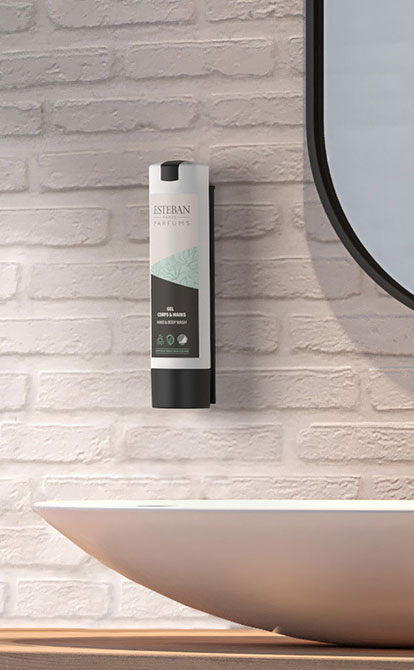
PMS and CRM systems help track preferences, but simple interdepartmental notes can work too. Differentiation is equally important: Offer experiences unavailable elsewhere, such as a guided morning run, a rooftop herb garden, or an exclusive artisanal toiletries line. Ask, “What can we do uniquely at this property to enhance our guests’ stay?” and ensure consistent execution.
- Implement Feedback Loops and Measure Satisfaction
Build systems to capture guest feedback during and after the stay. Mid-stay check-ins (“Text us if you need anything”) help resolve issues in real time. Post-stay surveys and review monitoring reveal trends.
Track metrics like guest satisfaction score, Net Promoter Score, and online ratings. Analyze patterns: If several surveys mention dim lighting, improve it; if guests praise breakfast but criticize the gym, adjust resources accordingly. Communicate changes back to guests (“We’ve heard you: Now offering more meat options at breakfast”) to reinforce that feedback drives action.
- Leverage Technology Thoughtfully
Integrate technology to streamline processes and personalize interactions, from mobile check-in/out and digital keys to CRM-powered pre-arrival e-mails or post-stay thank-you notes. Guests increasingly appreciate app-based check-in and messaging for instant service. Technology should enhance – not replace – face to face interaction with other people. Ensure reliability and user-friendliness. Use analytics to interpret large volumes of guest reviews and detect trends in sentiment. In-room innovations such as smart TVs, customizable lighting, and voice assistants can further improve comfort if executed well.
- Ensure Service Recovery and Surprise Opportunities
Even the best-run hotels occasionally encounter service failures. Train staff to apologize sincerely and resolve problems quickly. Offering complimentary fixes or upgrades on the spot can cover over a multitude of sins.
Research shows that excellent complaint handling can leave guests as satisfied – or more so – than if no problem had occurred in the first place. Keep a record of prior issues so returning guests receive proactive care (“We’ve placed you on a quieter floor this time”). Also, build systems for surprise-and-delight gestures, such as a complimentary upgrade for a loyal guest or a marathon snack pack for a runner, to create memorable emotional high points.
Developing hospitality guest experience management is about embedding continuous, guest-focused improvement into your operations. Align your people (hiring, training, empowerment), processes (journey mapping, SOPs), and tools (feedback systems, technology) toward one goal: guest satisfaction and delight.