Hotel Management

Hotel Waste Management: Your Guide

26 June 2026

Hotel Waste Management: Overview

  • Hotel waste management refers to the structured handling, reduction, and disposal of waste generated across hotel operations.
  • Waste streams typically include food waste, plastics, packaging, glass, textiles, hazardous materials, and electronic equipment.
  • The average hotel guest produces around 1 kg or more of waste per night, which accumulates quickly across large properties (Waste Direct, 2025).
  • Food waste is one of the largest contributors, accounting for 45-50% of a hotel’s total waste stream (Waste Direct, 2025).
  • A structured waste management strategy helps hotels reduce disposal costs, improve recycling rates, and support sustainability targets.

Hotel Waste Management: Understanding the Scale of the Problem

Hotel waste management begins with a simple reality: every guest room, kitchen, and facility contributes to daily waste, and the scale is significant. Industry data indicates that hotels produce almost 289,700 tonnes of waste globally each year, highlighting the scale of waste generated by accommodation operations alone.

Much of this waste is driven by guest activity. Research from the International Tourism Partnership indicates that hotel guests generate between 1 kg and 3 kg of waste per night, depending on property size and service model. For a 200-room hotel at full occupancy, that can add up to over 200 tonnes per year.

The good news: these numbers can be reduced significantly with the right systems in place. Across Europe, industry collaboration initiatives are increasingly focused on reducing waste at scale. Data from the International Food Waste Coalition, which monitors hospitality operations across 29 European countries, shows that participating organisations have reduced food waste by more than 20% since 2019 through improved forecasting, portion control, and waste-monitoring systems.

Why Does Hotel Waste Management Matter?

So what does this mean for your hotel in practice? Effective hotel waste management goes beyond environmental responsibility. It directly intersects with four key operational priorities:

  1. Cost control
  2. Legal compliance
  3. Environmental performance
  4. Brand reputation

Cost Savings

Waste disposal represents a direct operational expense for hotels. Landfill charges, transport costs, and contamination fees can all increase operational budgets when waste is not properly segregated.

Food waste is a particularly costly issue. Across the global hospitality industry, discarded food is estimated to cost over £1 trillion annually.

These losses occur at multiple stages of hotel food service operations:

  • Overproduction in kitchens and buffets
  • Plate waste from guests
  • Spoilage of unused ingredients

Waste management systems help hotels identify where waste is generated and adjust purchasing, menu design, and production levels accordingly.

Operational efficiencies can also be achieved through:

  • Better bin sizing
  • Optimised collection schedules
  • Improved recycling separation

Legal Compliance

Waste handling in the UK hospitality sector is regulated by the Environmental Protection Act 1990, which imposes a legal duty of care on businesses that produce waste.

Hotels must ensure that waste is:

  • Stored securely
  • Segregated appropriately
  • Collected by licensed waste carriers
  • Documented through waste transfer notes

Additional regulatory changes are also affecting hospitality businesses. The UK Government’s Simpler Recycling reforms will standardise recycling requirements across commercial premises, including hotels, restaurants, and offices.

These regulations require businesses to separate recyclable materials and food waste more consistently, increasing the importance of clear waste management procedures.

Environmental Impact

Hotels have a unique opportunity to reduce their environmental footprint. When organic waste is sent to a landfill, it decomposes anaerobically and releases methane, a greenhouse gas approximately 80 times more potent than carbon dioxide over a 20-year period, according to the OECD.

Other environmental pressures include:

  • High water and energy use in laundry and kitchens
  • Plastic waste entering marine ecosystems
  • Packaging waste from hospitality supply chains

Plastic waste is particularly persistent, often remaining in the environment for hundreds of years. Diverting waste from landfills through recycling, composting, and waste-to-energy programmes directly reduces a hotel’s carbon footprint.

The good news is that globally, the adoption of sustainability is accelerating. As of 2024, more than 5,000 hotels in over 80 countries have now embraced the WTTC Hotel Sustainability Basics programme, which provides verified guidance on reducing carbon, energy, water, and waste use while benefiting local communities.

Addressing these impacts aligns with the UK’s net-zero targets and the hospitality industry’s Pathway to Net Positive Hospitality, developed by the World Travel & Tourism Council and the Sustainable Hospitality Alliance.

Brand Reputation

Hotel waste management strongly affects how guests perceive and choose hotels. Many travellers now prioritise sustainability. The Booking.com Sustainable Travel Report 2023 found that 76% of global travellers want to travel more sustainably. It also showed that 43% are more likely to book hotels with clear environmental practices.

In the UK, 75% of consumers consider a company’s environmental credentials when making purchasing decisions, according to Statista. Visible sustainable operations, including proper waste management, can directly influence guest retention, driving bookings, strengthening guest loyalty, and encouraging repeat stays.

Hotels that implement recycling programmes, reduce single-use plastics, manage food waste responsibly, and improve energy efficiency often see higher guest satisfaction. These practices also support better online reviews and ratings.

Sustainability certifications such as Green Key or EarthCheck enhance credibility and appeal to eco-conscious leisure and corporate travellers. Integrating hotel waste management into operations becomes a key differentiator. According to EarthCheck, it helps build trust, strengthens brand reputation, and can support premium pricing.

What Causes Waste in Hotels?

Understanding where and why waste occurs makes prevention easier.

Housekeeping and Single-Use Items

Housekeeping generates a large volume of waste daily:

  • Miniature toiletries, single-use plastics, and packaging are replaced regardless of use. A 200-room hotel can discard around 300,000 single-use items per month.
  • Frequent towel and linen changes increase water as well as energy use and accelerate textile wear.
  • Hotels’ laundry operations account for a significant portion of water and energy use. Industry analyses report that laundry can account for around 16% of a hotel’s total water usage and contribute substantially to energy costs due to repeated washing and drying cycles.

Food Service and Buffets

Food service is one of the largest sources of waste in hotels. Key factors include overproduction, plate waste, and spoilage:

  • Average hotel food waste ranges from 0.8 to 1.2 kg per guest night.
  • Around 20%-30% of food prepared for buffets is not consumed due to overproduction, display waste, and plate waste. Constant menu changes result in short-shelf-life ingredients, spoilage, and stock write-offs.
  • Bulk purchasing without proper stock rotation, over-ordering, rigid kitchen routines, and preparing food in advance for events can lead to significant ingredient spoilage and waste.

Overstocking and Seasonality

Hotel waste is often affected by seasonal fluctuations and overstocking:

  • Hotels experience periods of high and low occupancy throughout the year. Quiet periods can leave bins half-empty, making collection inefficient, while peak seasons can overwhelm storage and disposal systems.
  • Ordering too much food, amenities, or consumables can result in expired or unused products being discarded. Bulk purchases without proper stock rotation contribute significantly to waste.
  • Regular waste pickups that do not adjust for occupancy patterns can increase operational costs and environmental impact.
  • Inefficient refrigeration, kitchen appliances, and laundry machines can cause spoilage, higher energy consumption, and unnecessary waste.

How to Create a Hotel Waste Management Plan

A structured waste management plan transforms daily waste into a predictable, manageable process. Serving as the foundation for all reduction efforts, it helps hotels cut costs, boost sustainability, and maintain regulatory compliance.

Conducting a Waste Audit

The first step in any waste management plan is a comprehensive audit:

  • Identify all waste streams and volumes across the property.
  • Measure what each department produces: kitchens, housekeeping, front-of-house, and maintenance.
  • Use the collected data to establish a baseline and set measurable reduction targets.

Waste audits allow hotels to pinpoint high-impact areas and track progress over time. According to WRAP UK, properties that audit waste regularly can reduce food and general waste by up to 20-25% within a year.

Introducing Core Elements

Once the audit is complete, implement the core components of the plan:

  • Define bin types, sizes, and locations tailored to each area.
  • Set collection frequencies aligned with occupancy and operational patterns.
  • Establish clear segregation procedures and use colour-coded bin systems for easy identification.
  • Assign staff responsibilities for monitoring and maintaining each waste area.

Clearly defined elements make it easier for staff to follow procedures day-to-day, improving recycling rates and reducing contamination in waste streams.

Training Your Team

Staff education is critical to successful waste management:

  • Provide regular, department-specific training on waste segregation, correct bin use, and compliance requirements.
  • Appoint waste champions in each department to oversee daily practices.
  • Use signage and visual guides throughout back-of-house areas to reinforce procedures.
  • Include waste management in onboarding for all new staff members to embed good habits from day one.

Hotels with structured training programmes show significantly higher performance in waste-reduction activities, with trained teams implementing waste-handling practices more effectively and engaging more in sustainability initiatives.

Encouraging Guest Participation

Guest involvement can significantly reduce waste:

  • Provide in-room recycling bins with clear instructions so guests know where and how to separate waste.
  • Communicate the hotel’s sustainability initiatives through signage, welcome materials, or digital channels to raise awareness.
  • Offer opt-in programmes for towel and linen reuse to reduce laundry loads.
  • Make recycling easy and visible in public areas like lobbies, conference rooms, and restaurants.

Guest participation in reuse programmes can help reduce per-room laundry water usage by about 15%, particularly where towel/linen reuse policies are widely adopted.

Reducing Single-Use Plastics and Packaging with ADA Cosmetics

Eliminating single-use plastic toiletries is one of the most impactful sustainability actions a hotel can take. Traditional miniature shampoo bottles, lotion sachets, and soap wrappers contribute significantly to plastic waste in hospitality. The UN Environment Programme estimates that 8-10 million tonnes of plastic enter the oceans every year, much of it from single-use packaging in tourism and hospitality.

ADA Cosmetics offers solutions that help hotels reduce this waste while maintaining the high standards expected by luxury guests:

  • Our refill system Refillution cuts plastic waste by up to 95% compared with single-use amenity bottles. Internal lifecycle estimates show that adopting Refillution can save around 4.5 kg of plastic per room per year. Hotels using Refillution can reduce liquid waste by up to 30%, meaning fewer product changes and less leftover product going to waste.
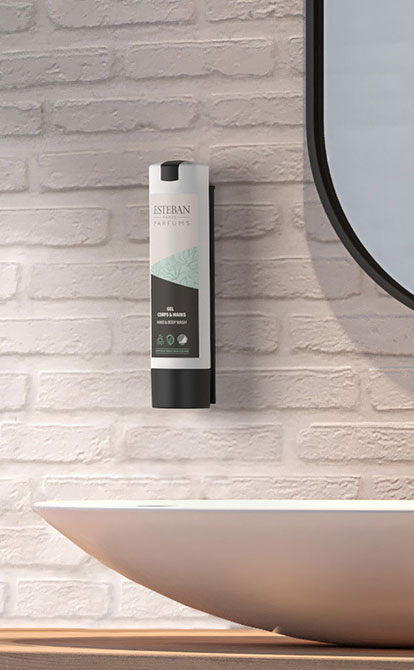
  • ADA Cosmetics dispenser systems, such as SmartCare, generate up to 85% less plastic and liquid waste than traditional miniature amenities.
  • All dispenser bottles are made from 100% recyclable mono-material, making them easier to recycle through standard recycling streams.

All these performance figures are independently validated. ADA Cosmetics holds the prestigious Cradle to Cradle Certified® Silver status, backed by certified lifecycle assessments from the Cradle to Cradle Institute.

Choosing ADA Cosmetics allows hotels to demonstrate a clear commitment to sustainability that guests notice and value. At the same time, it helps enhance brand reputation, differentiate the property, and show guests they care about the planet. For eco-conscious travellers and corporate clients, these small changes make a big impression.

Ready to eliminate single-use plastic from your bathrooms and turn sustainability into a measurable competitive advantage? Explore ADA Cosmetics’ dispenser solutions and find the right fit for your property.

FAQ

What Is Hotel Waste?

Hotels generate a wide range of waste from accommodation, food service, housekeeping, and amenities. Key waste streams include:

  • Food waste: Plate leftovers, kitchen scraps, buffet surplus, and spoiled stock.
  • Plastic waste: Toiletry miniatures, bottles, packaging, condiment sachets, disposable cups, and cleaning product containers.
  • Paper and cardboard: Delivery boxes, brochures, office paper, menus, and shipping materials.
  • Glass: Bottles from bars and restaurants, jars, containers, and broken drinkware.
  • Textiles: Worn-out towels, bed linens, bathrobes, uniforms, and mattress covers.
  • Hazardous and specialist waste: Cleaning chemicals, fluorescent tubes, batteries, paints, solvents.
  • Sanitary waste: Guest hygiene products such as feminine hygiene items and disposable bathroom products.
  • Confidential waste: Guest records, financial documents, employee files, and administrative paperwork.
  • Electronic waste (e-waste): Old TVs, phones, kitchen appliances, IT equipment, and outdated smart devices.
  • Furniture and refurbishment waste: Beds, chairs, tables, mattresses, and fixtures removed during renovations or upgrades.
  • Food and beverage packaging: Polystyrene trays, wrapping, condiment packets, and take-away containers.

These diverse waste streams require careful segregation, recycling, or safe disposal to meet environmental standards and comply with UK regulations.

What bins does a hotel need?

UK Hotels:

  • Governed by the Environmental Protection Act 1990 and the Simpler Recycling reforms.
  • Colour-coded and clearly labelled bins are recommended to meet legal duty-of-care requirements.

Required bins typically include:

  • General waste
  • Mixed recycling, including plastics and cans
  • Food waste or organic waste
  • Glass
  • Paper and cardboard
  • Hazardous or specialist waste, including chemicals, batteries, and e-waste

EU Hotels:

  • EU member states follow the EU Waste Framework Directive (2008/98/EC), which requires separate collection of at least paper, metal, plastic, and glass.
  • Many EU countries also mandate the separation of food or organic waste, especially for commercial businesses such as hotels.
  • Bin types may differ slightly by country depending on local municipal recycling regulations, for example, Germany has yellow bins for plastics, while France uses separate organic bins.

What are the legal requirements for hotel waste in the UK?

UK hotels must comply with the Environmental Protection Act 1990 and associated regulations:

  • Duty of care: Safely store, handle, and dispose of all waste.
  • Segregation: Separate recyclables, food waste, and hazardous materials.
  • Licensed carriers: Only use approved waste collection services.
  • Documentation: Maintain waste transfer notes for all waste movements.
  • Compliance with new rules: UK Simpler Recycling reforms require consistent separation of recyclables and food waste.
  • Enforcement: Non-compliance can result in fines or legal action.

How do hotels reduce food waste?

Hotels reduce food waste through a structured “3 Ms” approach:

  • Measure: Track food waste volumes using smart meters or waste audits.
  • Manage: Forecast demand, optimise stock rotation, and align production with occupancy.
  • Minimise: Reduce overproduction with batch cooking, dynamic buffet replenishment, and menu planning.

CONTACT
SHOP NOW

Buy ADA Cosmetics products in our online shop.

REQUEST AN OFFER

For product inquiries worldwide, please contact our sales partners.

CONTACT

For contact inquiries of all kinds, please use our contact form. We will get in touch with you as soon as possible.