Hotel & Travel Trends

Hotel Housekeeping

17 October 2025

Every immaculate lobby and perfectly turned‑down bed owes its welcome to hotel housekeeping—the craft at the heart of guest satisfaction and smooth operations. It has a decisive impact on a hotel’s brand identity, which hinges on its service. According to a study in the Journal of Business and Economics Research, 85% of hotel guests cited cleanliness as a primary factor in their overall satisfaction with their stay. Yet the professionals who deliver this experience are often unseen. 

What does best‑in‑class housekeeping look like, and how can hotels better support the people who make it possible? This article highlights the essentials—and the modern tools that lighten workloads, uphold hygiene, and enhance job satisfaction.

What is Housekeeping in Hotels?

Hotel housekeeping refers to the department and personnel responsible for maintaining the cleanliness, order, and overall presentation of guest rooms and public areas, as well as back-of-house spaces.

What are Housekeeping Duties and Responsibilities in Hotels?

Changing sheets and pillowcases is but the first of a long list of daily, physical labor that housekeeping professionals must still complete. These multifaceted responsibilities include:

  • Room Cleaning: Dusting, vacuuming, bathroom sanitation, and linen replacement.
  • Amenity Replenishment: Refilling dispensers, restocking towels, and placing cosmetic products.
  • Inspection: Verifying room readiness and reporting damages or maintenance issues.
  • Guest Requests: Delivering extra pillows, toiletries, or special items.
  • Inventory Management: Tracking supplies, amenities, and linen stock levels.
  • Deep Cleaning: Scheduled scrubbing of carpets, drapes, vents, and other fixtures.
  • Conference and Event Space Set-up and Tear-down: Wheeling chairs, tables and serving carts in and out of conference and event spaces.

What is the Importance of Housekeeping in the Hotel Industry?

Cleanliness ranks among the top factors influencing guest satisfaction, loyalty, and online reviews. In a study by P&G Professional, 78% of hotel guests ranked cleanliness as the most important factor affecting their choice of hotel. 

In the same study, 71% of respondents named dirty bedsheets as a reason to walk away from a booking; 69% said they would leave over a disgusting bathroom; and, for 65% a smelly room was a deal-breaker. A hotel can offer panoramic views and Michelin-starred cuisine, but if the bathroom hasn’t been properly cleaned or the room has an unpleasant odor, some two-thirds of guests will walk away. 

When housekeeping in hotels goes well, it often goes unnoticed. When it goes awry, it is often the chief reason guests choose not to come back. In one study, hotels that scored poorly in cleanliness, service and value saw a whopping 45% decline in repeat visit intentions. 

Even scoring highly in cleanliness was not enough for 58% of guests; they preferred hotels who had also adopted “sustainability practices” and specifically replaced the use of plastic with more eco-friendly amenities.

To sum up what the study found, hotel housekeeping excellence can directly impact guest satisfaction in the following ways:

  • cleanliness in general as a primary factor in satisfaction for 85% of guests;
  • visible health, hygiene and safety measures increase trust and comfort for 70% of guests;
  • cleanliness and service quality lead 90% of guests to recommend the hotel to others;
  • reduction in plastic use and adoption of sustainability positively influence booking choice for 58% of guests;
  • conversely, hotel housekeeping issues lead to a 45% reduction in repeat bookings.

Hotel Housekeeping Checklist: What Needs to Be Done?

It may seem obvious that effective hotel housekeeping begins with a robust, repeatable checklist. This ensures consistency across rooms, compliance with standards, and optimal time management. 

A surprising number of hotels today forgo these blessings and continue to opt for an ad hoc approach to housekeeping in hotels. In a study published by Interdisciplinary Social Studies, researchers in the Philippines found that 

  • 41% of responding hotels did not have a written cleaning procedure for each front-facing area of the hotel; 
  • 52% reported that their housekeepers did not regularly use gloves when cleaning bathrooms; and,
  • an alarming 17% of housekeeping directors did not know if their staff washed their hands at the end of their shift; and
  • a shocking 82% of linen attendants did not wear gloves while handling soiled linens. 

As the study architects noted in their introduction, a well-run hotel housekeeping operation “may be the best public relations a hotel can have.”

A sample hotel housekeeping checklist includes:

Guest Room:

  • Strip and remake beds with fresh linens
  • Dust all surfaces, including headboards and nightstands
  • Vacuum carpets or clean flooring
  • Disinfect high-touch points: remote controls, doorknobs, switches
  • Clean windows and mirrors
  • Check and refill amenities (Refillution dispensers, tissue, towels)
  • Empty trash bins and sanitize liners
  • Inspect mini-bar and restock if applicable

Bathroom:

  • Sanitize sink, faucet, shower, and toilet
  • Replace towels, bathmats, and bathrobes
  • Refill soap, shampoo, conditioner, and lotion dispensers
  • Check drainage and ventilation
  • Spot-check grout and tile integrity

Final Touches:

  • Align items neatly (amenities, menus, remote)
  • Adjust lighting, curtains, and temperature
  • Final room inspection and quality assurance

Thorough, written cleaning protocols for each area of the hotel augment time efficiency and reduce the margin of error, especially in properties with high room turnover.

How Rethinking Housekeeping Can Help Manage Staff Shortage

Despite how crucial the duties of a housekeeper in a hotel are to guest satisfaction, operational efficiency and brand reputation, hotel housekeepers report lower job satisfaction than employees in any other hospitality occupation. 

Participants of a survey published in the International Hospitality Review frequently cited the following as contributing factors in their low job satisfaction:

  • Low pay, 
  • Work-life imbalance,
  • Poor career advancement opportunities,
  • Long hours, 
  • Uninteresting work, and
  • Exhaustion. 

There are signs that hotel housekeeping’s appeal as a career has reached an unsustainable low. A 2023 study conducted by the American Hotel and Lodging Association found that 48% of hotels cite housekeeping as their top hiring need. 

Through the beginning of 2024, that same study found that 82% of surveyed hotels had increased wages in response to the hiring crisis, but 72% were still unable to fill open positions. Higher wages are evidently not the only aspect of hotel housekeeping that potential employees want to see change.

To truly address staffing shortages, hotels must rethink housekeeping itself—reducing the physical load while increasing efficiency

How to Boost Housekeeping Efficiency

In today’s labor-challenged environment, improving hotel housekeeping productivity is both a financial and operational imperative. According to a 2022 study by Goodfellow Publishers, efficiency-enhancing technologies can reduce the average time to clean a room by up to 12%.

With such grueling, physical demands placed upon housekeeping staff, technology that can streamline any of these processes makes a big difference. If a single hotel housekeeper can cut just 60 seconds off of the average clean time per room each day, an average of 15 minutes of cleaning time can be regained. Over time, this can lead to a savings of 3,900 minutes per year or 8 workdays. 

If a hotel shared just half of these regained 8 days with housekeeping staff, what could 4 additional days off each year do for job satisfaction, work-life balance and staff recruitment and retention in this crucial area that has been particularly hard hit by staffing shortages? 

To find more ways to shave seconds off of per room clean time, consider conducting a time and motion study. When each second matters, every albeit minor difference between rooms means that the time a particular change can save will vary significantly from hotel to hotel. 

Other ways to find inefficiencies and save on housekeeping time include:

  • Use of Technology: Cloud-based housekeeping management tools optimize room assignments and enable real-time updates.
  • Smart Amenities Systems: Solutions like ADA Cosmetics’ Refillution drastically reduce time spent replacing amenities. Its intuitive refill system allows staff to replenish hygienically sealed cosmetic cartridges without removing dispensers, minimizing room time and error.
  • Zone Cleaning: Assigning teams to specific zones rather than entire rooms improves rhythm and reduces fatigue.
  • Mobile Checklists: Digital checklists ensure accountability and reduce reliance on paper-based systems.
  • Training and Recognition: Frequent training on time-saving techniques and ergonomic practices, coupled with employee recognition, contributes to morale and retention. As highlighted in Emerald Insight’s study on housekeeper job satisfaction, factors like acknowledgment and streamlined workloads greatly influence motivation.

Efficiency gains not only boost guest satisfaction by ensuring room readiness but also contribute to cost savings and staff retention.

Must-Have Hotel Housekeeping Supplies

A well-equipped hotel housekeeping department is the cornerstone of seamless operations. Among the most critical hotel housekeeping supplies are:

  • Cleaning Agents: Surface disinfectants, descalers, and floor cleaners suitable for various surfaces
  • Microfiber Cloths & Mops: For effective dust and germ removal
  • Vacuum Cleaners & Carts: Ergonomically designed and easy to maneuver
  • Gloves & PPE: For safety and compliance with sanitation standards

Housekeeping in hotels is the invisible engine that powers guest satisfaction, operational success, and brand loyalty in the hotel industry. These professionals, often working long hours behind closed doors, are the embodiment of service excellence. 

ADA Cosmetics recognizes the dedication and challenges of hotel housekeeping teams, and it responds not with mere rhetoric, but with real-world innovation. 

Refillution: Fast, Hygienic, Low‑Waste Refills

Management can save significant time spent on housekeeping in hotels by adopting ADA Cosmetics’ Refillution. This proprietary, tamper-proof refill technology replaces manual refilling with an automated process validated for hygiene—so teams work faster and cleaner,

  • Refillution cuts refill time from an average of 15 seconds per dispenser down to just under 6 seconds. That’s a savings of 9 seconds per dispenser, per room.
  • Up to 95% less plastic waste per room annually—around 4.5 kg saved; each 10‑liter container replaces 34 dispenser bottles. 
  • Hygienically validated process using an automated, intuitive system with a high‑end pump; independently confirmed by Rhine‑Waal University of Applied Sciences. 
  • Designed for speed and simplicity—the first automatic refill machine of its kind on the market—so housekeeping can focus on room readiness, not handling packaging. 

SmartCare: Built for Housekeeping, Loved by Guests

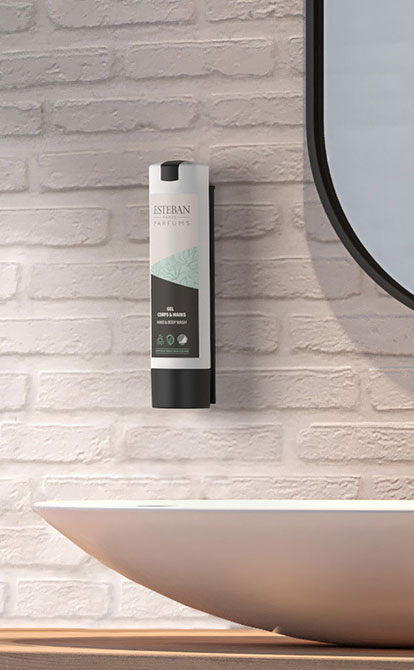
SmartCare enables hotels to meet hygiene standards while reducing plastic waste and housekeeping workload.

What housekeeping teams gain with SmartCare:

  • Fast cartridge swap: Housekeepers change cartridges in about 5 seconds—keeping turn times tight even at peak occupancy. 
  • No dripping: No‑drip, no‑mess dispensing limits spot cleaning on walls, vanities, and shower areas between stays.
  • No back‑contamination: The hygienically closed system protects formulas against microbial ingress during daily operation. 
  • Tamper‑resistant security: Safe‑Lock sealing and a tamper‑proof design safeguard product integrity and guest trust. 

It is time to recognize, empower, and equip these hidden heroes with the tools they deserve. Because behind every pristine room is a hotel housekeeper who made it perfect.

FAQ

Why is housekeeping the backbone of a hotel?

Hotel housekeepers make good on the core promise of the hospitality industry itself: cleanliness, comfort, and safety. Without them, even the most luxurious property would quickly fall into disrepair. Housekeeping in hotels touches on nearly every aspect of the guest experience, from first to last impressions. When the housekeeping team is performing at its peak, the entire hotel enjoys operational success and reputational excellence.

How can one negative housekeeping incident affect the overall reputation of a hotel?

A single stray hair on an otherwise brilliantly white linen can stain a brand’s image overnight: One negative online review later, the result is damaged guest trust, and reduced future bookings, both new and repeat. In an era where over 80% of travelers consult reviews before booking, one unresolved housekeeping lapse can undermine marketing efforts and significantly harm a hotel’s public perception.

What are the 7 habits of good housekeeping?

  1. Consistency in standards
  2. Attention to detail
  3. Effective time management
  4. Preventive maintenance awareness
  5. Prioritization of hygiene and safety
  6. Clear communication with other departments
  7. Continuous training and improvement

Together, these habits ensure reliability, guest satisfaction, and team professionalism in high-performing hotel housekeeping departments.

CONTACT
REQUEST AN OFFER

For product inquiries worldwide, please contact our sales partners.

CONTACT

For contact inquiries of all kinds, please use our contact form. We will get in touch with you as soon as possible.