Moving away from single-use items is the fastest way to reduce hotel plastic waste. Here are the ten best strategies:
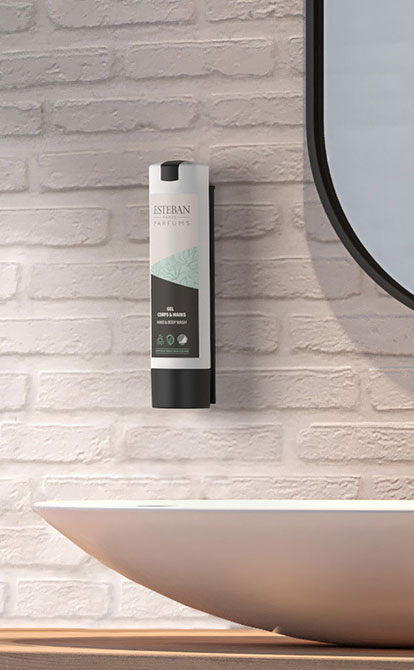
1. Replace Miniature Toiletries with Refillable Dispensers
Moving away from 30ml plastic bottles toward wall-mounted bulk dispensers is one of the most effective changes a hotel can make. Research from the World Sustainable Hospitality Alliance indicates that bulk systems can remove tens of thousands of single-use bottles from a single property’s waste stream every year.
Switching to dispensers also streamlines housekeeping by reducing the time spent restocking individual units. Luxury brands like the Red Carnation Hotel Collection now use professionalised dispenser systems to maintain high standards without the plastic footprint.
Solid toiletry bars offer a complete zero-packaging alternative for hotels aiming for a plastic-free guest experience. Providing shampoo, conditioner, and soap bars eliminates the need for bottles or dispensers entirely. Concentrated bars are space-efficient to store and appeal strongly to eco-conscious travellers seeking minimalist, sustainable stays.
2. Eliminate Plastic Water Bottles
Removing PET (Polyethylene Terephthalate), the clear, single-use plastic used for most bottled drinks, is a high-impact win for waste reduction. Modern alternatives focus on circularity, which means keeping materials in use rather than throwing them away.
- On-site Filtration: Systems from BWT (Best Water Technology) treat local tap water to remove impurities like chlorine. These systems often add minerals such as magnesium to create “gourmet” water that tastes better than standard bottled water.
- Refill Stations: Installing dispensers in lobbies and conference areas encourages guests to use reusable vessels (bottles or cups) instead of taking new plastic ones.
- In-room Glass: Providing reusable glass bottles or carafes in guest rooms removes the need for daily plastic replacements and elevates the room’s aesthetic.
- Returnable Solutions: Some suppliers offer “closed-loop” services. They deliver full glass bottles and collect the empties for professional cleaning and refilling, ensuring that no packaging enters the waste stream.
3. Tackle Single-Use Items in Food and Beverage
The 2023 UK plastic ban targets many F&B items, but proactive hotels are going further. Significant impact comes from:
- Bulk Condiments: Replacing individual sachets of sauce or sugar with bulk dispensers or porcelain ramekins.
- Reusable Tableware: Using high-quality crockery, metal cutlery, and glassware for all eat-in guests.
- The “Straw-Free” Default: Eliminating plastic straws, stirrers, and cups in favour of durable, reusable, or paper-based options.
- Takeaway Audits: Removing single-use takeaway containers and cutlery wherever possible to reduce the volume of waste leaving the premises.
4. Address Hidden Plastics in Guest Rooms
Many plastics are easily overlooked during a standard room audit. Identifying these “hidden” sources is key to a truly plastic-free environment:
- Amenity Packaging: Swapping plastic-wrapped slippers, shower caps, and individually packaged cotton buds for FSC-certified paper or cardboard alternatives.
- Key Cards: Replacing traditional plastic key cards with wood, bamboo, or digital alternatives.
- The Tea Tray: Selecting teabags free of plastic sealants and opting for fully compostable coffee pods.
- Room Liners: Removing plastic bin liners or switching to washable, reusable fabric versions.
5. Rethink Housekeeping and Laundry Practices
Housekeeping operations offer several opportunities to cut plastic behind the scenes:
- Bulk Cleaning Chemicals: Refilling spray bottles from large bulk containers reduces the number of plastic trigger bottles discarded.
- Reusable Laundry Bags: Offering guests high-quality fabric laundry bags instead of single-use plastic versions.
- Resource Rotation: Placing half-used toilet rolls from guest rooms into staff restrooms to ensure full use before recycling.
- Waste Segregation: Using clear, multi-stream recycling bins within housekeeping carts to improve sorting accuracy.
6. Engage Your Supply Chain
Sustainable procurement requires active communication with partners. Hotels can drive change by:
- Requesting Plastic-Free Deliveries: Asking for produce in reusable crates rather than plastic wrap.
- Alternative Packaging: Switching from mushroom boxes, fruit punnets, and banana wrapping to recycled or compostable materials.
- Managing Trade-offs: Removing plastic can sometimes shorten the shelf life of fresh food. Strong communication with suppliers is essential to balance plastic reduction with the need to prevent food waste, as noted by WRAP UK.
7. Go Digital to Cut Waste
Digital transitions remove the need for laminated sheets and plastic-heavy room collateral:
- Smart Directories: Replacing printed menus and guest directories with tablet-based systems or TV interfaces.
- Mobile Experience: Introducing digital check-in, electronic receipts, and mobile key cards.
- QR Integration: Using QR codes for room service menus and local area guides to eliminate physical paper and plastic sleeves.
8. Train Staff
Employee buy-in is the engine of any sustainability programme. Effective training should reach every level:
- Management: Understanding the ROI of plastic reduction and the impact of the 2025 EPR regulations.
- Front Desk: Learning how to confidently explain plastic-free initiatives to guests as a premium feature.
- Housekeeping & Kitchen: Mastering waste segregation and the proper use of refillable systems to ensure hygiene and efficiency.
9. Communicate Initiatives to Guests
Transparency turns environmental efforts into a brand asset. Rather than a “reduction in service,” sustainability should be framed as a commitment to quality:
- Signage: Using discreet, well-designed in-room messaging to explain why dispensers or filtered water are provided.
- Booking Touchpoints: Highlighting green credentials in confirmation emails and on your website’s sustainability page.
- Social Campaigns: Sharing progress on social media to build community and invite guests to participate in initiatives like local beach clean-ups.
10. Adopt Circular Economy Principles
True circularity moves beyond just “using less” to keeping materials in use for as long as possible:
- Amenity Recycling: Partnering with organisations like Clean Conscience
to recycle soap and bottled toiletries.
- Material Innovation: Exploring packaging made from seaweed, mushroom mycelium, or honeycomb paper.
- Donation Loops: Giving old linens and furniture a second life through local charities.
- Organic Recovery: Setting up on-site composting for food waste to create a closed-loop system for hotel gardens.