Hotel & Travel Trends

Micro Hotels

18 December 2025

In cities around the world, micro hotels are a rising trend, offering a new way to deliver more value with less space. But what compels travelers to gravitate toward smaller rooms? And how do these properties manage to feel minimalist, inviting, and even luxurious at the same time?

In this article, we will explore these questions and more — revealing how micro hotels maximize space, elevate the guest experience, and meet the evolving expectations of modern travelers.

What Is a Micro Hotel

A micro hotel is a hospitality concept built around ultra-efficient room design, offering smaller private spaces paired with carefully curated amenities as well as thoughtfully designed public spaces. Rather than traditional hotel rooms, which average 250–350 square feet, micro hotel rooms average 150 square feet, but may range from 70 to 150 square feet, depending on the brand and location [1]. Despite the compact size, these rooms are designed to provide a guest experience that feels purposeful rather than limiting with an emphasis on intelligent layout, multifunctional furniture, and high-quality essentials.

Micro hotels prioritize efficiency, comfort, and smart use of space, often incorporating features such as [2]:

  • Lofted or wall-mounted beds
  • Built-in storage solutions
  • Minimalist bathrooms designed for privacy and functionality
  • Modern tech solutions such as keyless entry or app-based controls

This lean approach extends beyond the private room. Micro hotels often invest in vibrant communal spaces – lounges, co-working areas, cafés, and social hubs – to encourage connection and enhance the guest experience. The success of a micro hotel largely depends on how well these shared environments compensate for the intentionally reduced room size [3].

The result of these principles is a lodging model that aligns perfectly with the priorities of many of today’s travelers: streamlined stays, clever design, sustainable thinking, and the ability to enjoy more of the city rather than more of the room. This makes micro hotels especially appealing for urban explorers, solo travelers, business guests on short trips, and anyone seeking value without sacrificing intrigue. 

Core Characteristics of Micro Hotels

Micro hotels have proven successful because they streamline the traditional hotel model into a highly focused experience. Their compact footprint works precisely because each element – from layout to amenities – carries a purpose to deliver comfort without excess.

Location

Location is absolutely essential to the success of a micro hotel, as a significant segment of the target market is urban travelers. Therefore, micro hotels typically operate in central, high-demand inner-city areas, where a smaller footprint enables access to neighborhoods or districts that larger hotels often can’t penetrate. This proximity to transit, culture, and business hubs is a key aspect of their appeal.

Minimalism

Rather than offering less, micro hotels shift the focus from spacious and utilitarian to stylish with unique elements. Clean lines, integrated storage, and multifunctional furniture are keen examples of this concept, intended to provide guests with a sense of tranquility and efficiency. Strategic minimalism makes compact rooms feel comfortable rather than restrictive.

Amenities

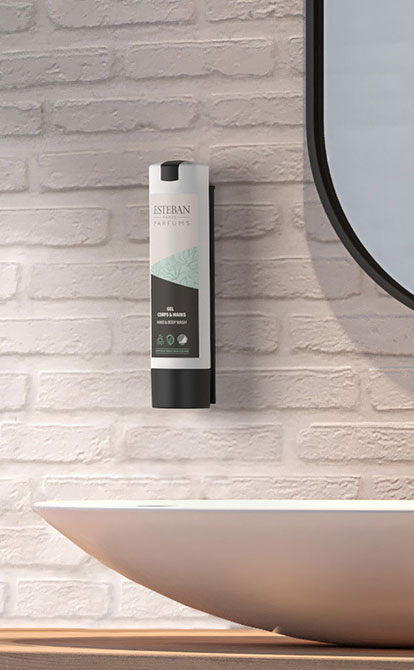
Even with limited space, amenities remain a priority and are often positioned as a key selling point. In many cases, micro hotels rely on high-quality, space-saving solutions, such as skin- and hair-care products with wall-mounted refillable dispensers, leak-proof pumps, tamper-evident closures, and refill systems. Offering high-quality amenities is a proactive measure to keep rooms streamlined, hygienic, and aligned with sustainability values.

Technology

Another core characteristic seen across micro hotels is the prevalence of technology. Technology enhances both convenience and efficiency, streamlining and optimizing the guest experience with digital check-in, keyless entry, app-based service requests, and more. These innovative devices allow guests to move through the stay with minimal friction. For management, tools like small hotel booking software and booking engines for small hotels improve visibility, automate tasks, and support both traditional and microstay bookings.

What Are the Pros of Running a Micro Hotel?

Micro hotels offer several clear advantages, especially in dense urban markets where space and efficiency matter. Their compact format reduces costs, increases flexibility, and aligns well with what many modern travelers look for.

Key benefits include:

  • Lower development and operating costs: Smaller rooms and a reduced footprint allow access to prime locations at a more manageable investment cost.
  • Higher revenue potential per square meter: Efficient layouts and additional income from microstays and day-use bookings help increase revenue potential.
  • Alignment with modern traveler preferences: Minimalist design and a focus on sustainability as well as smart technology are trends commonly implemented in micro hotels.
  • Distinct market positioning: Giving properties a fresh, boutique feel helps them stand out in competitive urban destinations.

5 Examples of Micro Hotels

  1. Capsule Inn Osaka – Osaka, Japan

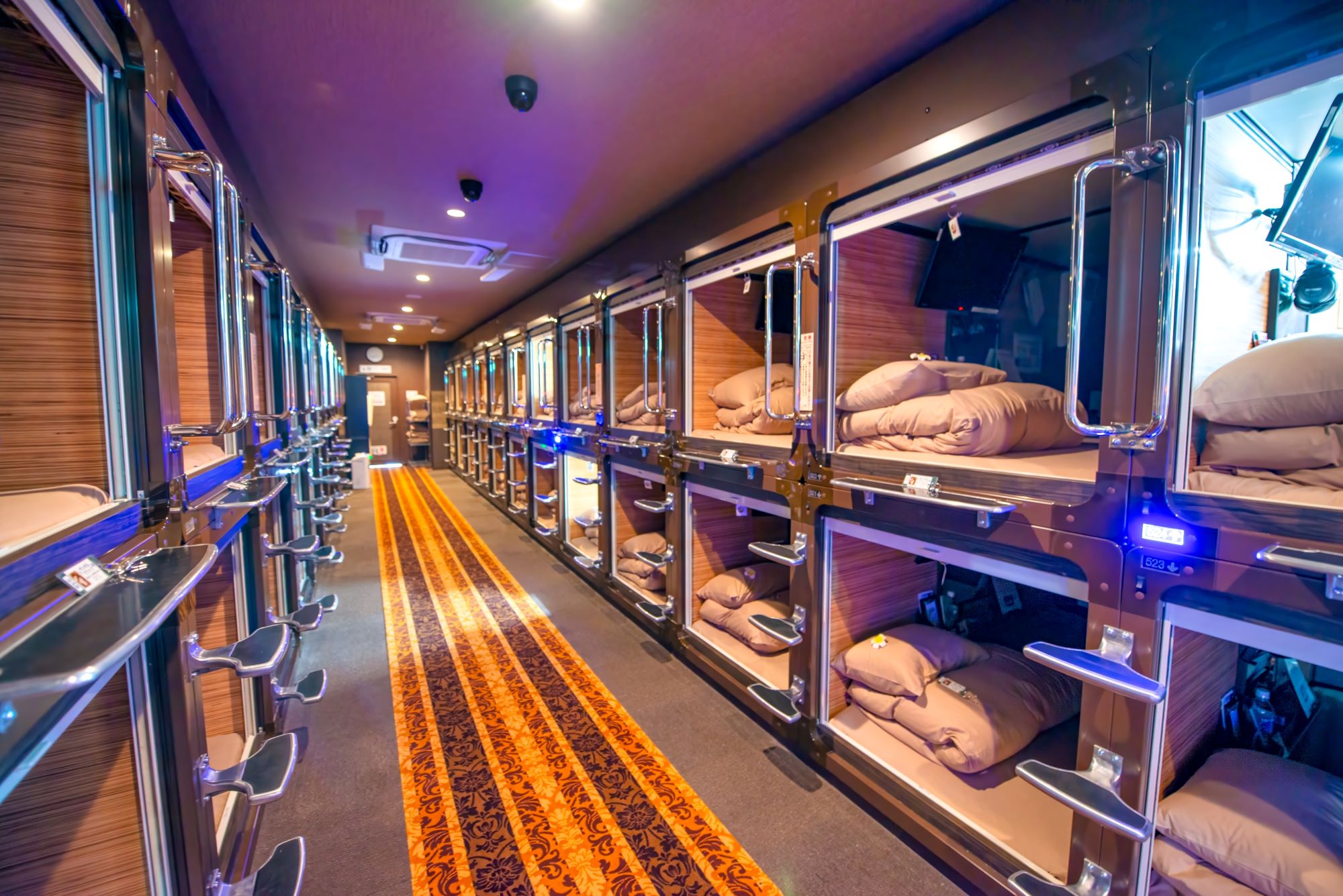
Recognized as the world’s first capsule hotel, Capsule Inn Osaka – originally opened in 1979 – is one of the most iconic, and historically important examples of compact lodging. Rather than full rooms, guests sleep in individual capsules stacked bunkbed-style, each fitted with basic comforts: climate control, a TV, and privacy curtains. Public amenities include shared baths, a sauna, and a lounge all just steps away from downtown Osaka’s entertainment and transit hubs.


2. Arlo SoHo – New York City, USA

Located in the SoHo neighborhood of lower Manhattan, Arlo SoHo delivers a boutique-style micro hotel experience in one of NYC’s most desirable areas. This budget-friendly property blends compact guest rooms with stylish communal spaces, catering to travelers who value nightlife, accessibility, and social ambiance. This hotel is a budget-friendly option in this prime location.


3. YOTELAIR Paris Charles De Gaulle – Paris, France

YOTELAIR Paris CDG introduces the micro hotel concept to the airport. Located airside in Terminal 2E at Charles de Gaulle Airport, this unique micro hotel offers compact but comfortable “cabins” and a convenient microstay experience. It is designed for travelers with short layovers, early departures, or unexpected delays who need a quiet, functional space for a few hours. The cabins are equipped with essential amenities such as, climate-controlled cabins, high-speed WiFi, lounge seating, and other necessities.


4. City Hub Reykjavik, Iceland

CityHub Reykjavik delivers a smart, minimalist micro hotel experience in the heart of Iceland’s vibrant capital. Guests stay in sleek, private “hubs”. Communal hangout areas create a social, community-focused vibe, while the central location makes it easy to explore Reykjavik’s cafés, nightlife, and cultural highlights between adventures across Iceland’s dramatic landscapes.


5. CitizenM Amsterdam Amstel Amsterdam, Netherlands

CitizenM Amsterdam Amstel offers a modern micro hotel experience in Amsterdam’s iconic canal district. The hotel features XL double beds, blackout blinds, and integrated smart technology controlled by tablet, allowing guests to stream, adjust lighting, or set the room temperature with ease. Its central location and quick access to cultural sites, public transit, and Amsterdam’s nightlife make it ideal for travelers who want comfort, convenience, and a smart urban stay.

How to Create a Business Plan for a Small Hotel

Developing a small hotel business plan is a crucial first step in turning an idea into a functional, profitable operation. Having a plan helps clarify your concept, define your target market, and outline the operational structure that will support daily management. A well-built plan will not only guide your launch, but also strengthen long-term decision-making by keeping your strategy and financial goals aligned.

Here is a brief, clear breakdown:

  • Define your concept and target market: Identify whether your property leans toward boutique style, micro hotel efficiency, or a hybrid, and align this with hotel marketing strategies that are both proven and relevant.
  • Conduct a location and competitor analysis: Evaluate local demand, nearby accommodations, pricing trends, and the unique advantages of your chosen area.
  • Outline your guest experience model: Determine your service level, room features, amenities, and how you’ll differentiate from larger hotels.
  • Develop your operations plan: Consider staffing needs, vendor partnerships, housekeeping standards, and daily workflows.
  • Integrate technology from the start: Choose reliable small hotel booking software and modern booking engines for small hotels to streamline reservations and improve visibility.
  • Create financial projections: Estimate construction or renovation costs, operating expenses, occupancy expectations, and revenue forecasts.
  • Plan your marketing approach: Build a strategy that highlights your brand identity, leverages digital channels, and reflects your boutique or micro-style positioning.

Why ADA Cosmetics Is the Right Amenity Partner for Micro Hotels

Micro hotels succeed by making every square meter count – and that includes the amenities guests utilize most. ADA Cosmetics offers solutions that fit perfectly with the micro-hotel philosophy: space-efficient, sustainable, and sublime in both design and sensory experience.

Our SmartCare dispenser systems deliver high-quality hotel cosmetics in a clean, wall-mounted format that keeps micro hotel rooms uncluttered while maintaining a premium feel. The dispensers feature secure, tamper-evident designs and leak-proof technology, ensuring reliability and maximum hygiene even in compact bathrooms where practicality is essential.

Sustainability is another key advantage. Our refillable dispenser solutions significantly reduce single-use plastic and support the growing eco-consciousness reflected in traveler behavior. For micro hotels that prioritize minimalist, responsible operations, integrated sustainability becomes a meaningful differentiator.

Ready to enhance your micro hotel experience?

Contact us to learn more about our dispenser systems, amenities, and tailored solutions for modern hotel concepts.

Resources:

[1] Source: https://www.statista.com/chart/33770/otas-and-hotel-profitability/

[2] Source: https://www.statista.com/chart/32587/in-room-amenities-that-are-most-important-to-travelers/

[3] Source: https://www.statista.com/chart/33328/positive-intentions-behind-sustainable-travel/

[4] Source: https://www.hospitalityinvestor.com/americas/future-small-doing-more-micro-hotels

[5] Source: https://www.hospitalitynet.org/opinion/4095107.html

[6] Source: https://hrc-international.com/what-is-a-micro-hotel/

[7] Source: https://www.mews.com/en/blog/what-is-a-micro-hotel

[8] Source: https://www.littlehotelier.com/blog/increase-your-revenue/using-micro-stays-bb-keep-ahead/

[9] Source: https://www.siteminder.com/r/micro-hotel/#:~:text=A%20micro%20hotel%20is%20a,well%20the%20shared%20spaces%20work.

[10] Source: https://www.redforkmarketing.com/learn-article/small-hotel-business-plan#:~:text=Location%20Analysis,and%20advantages%20of%20your%20location.

[11] Source: https://hoteltechreport.com/news/how-to-start-hotel-business

[12] Source: https://plantrip.io/glossary/microstay

[13] Source: https://www.hotelmanagement.net/business-strategy/aahoa-charitable-foundation-adopts-new-charter-boost-philanthropic-impact

[14] Source: https://www.mycityhotel.ee/en/what-are-the-advantages-of-small-hotels-over-large-ones/#:~:text=Instead%20of%20vast%2C%20impersonal%20lobbies,a%20crucial%20role%20in%20authenticity.

[15] Source: https://www.fallzhotels.com/micro-hotels-macro-profits-the-rise-of-ultra-compact-luxury-stays

[16] Source: https://www.mews.com/en/blog/boutique-hotel-management

[17] Source: https://info.hotelspacesevent.com/blog/micro-hotel-innovators-share-secrets-to-success

FAQ

What's the difference between a hotel and a micro hotel?

A traditional hotel offers standard-sized rooms with generous private space, larger bathrooms, and in-room areas meant for working or relaxing. A micro hotel, on the other hand, is built around a design philosophy that prioritizes efficiency over size. Micro hotels rely on resourcefulness with smart designs, space-saving furniture, and premium amenities.

The main difference between the two lies in how the stay is structured: traditional hotels cater to guests who expect spacious private rooms, while micro hotels appeal to travelers who value location, thoughtful design, and a modern, experience-driven environment over sheer square footage.

How big are micro hotels?

Micro hotels tend to offer significantly smaller guest rooms compared to traditional hotels. Many micro-hotel rooms average around 140 square feet, roughly half the size of a conventional hotel room (often around ~330 square feet). However, room size can vary by brand, location, and design approach and range anywhere from 75 to 150 square feet. 

Can a small hotel be profitable?

In short, yes, small hotels, including micro hotels, can be highly profitable when designed and operated efficiently. Industry insights show that compact properties often benefit from lower construction costs, reduced operating expenses, and better space utilization, which can improve margins compared to larger traditional hotels.

Profitability also increases when small hotels leverage strong operational strategies: thoughtful location planning, a clear value proposition, and effective digital tools like small hotel booking software or modern booking engines for small hotels. When efficient design and savvy management are paired together, small hotels have the potential to unlock a whole new level of ROI.

What is a Microstay?

A microstay is a short-stay or day-use booking, where guests reserve a room for just a few hours instead of an overnight stay. These flexible time blocks allow hotels to offer rooms during the day when occupancy would normally be low.

Microstays appeal to a wide range of guests. For example, travelers can use them as day rooms between flights or long layovers or quiet workspaces for business guests. Some properties pair microstays with wellness add-ons such as spa access or fitness packages.

For hoteliers, microstays open an additional revenue channel by increasing room utilization throughout the day, making them an especially strong fit for micro hotels and other space-efficient concepts.

CONTACT
REQUEST AN OFFER

For product inquiries worldwide, please contact our sales partners.

CONTACT

For contact inquiries of all kinds, please use our contact form. We will get in touch with you as soon as possible.