Hotel & Travel Trends

Hotel Hygiene

17 October 2025

What if your guests perceive an imperfection in your hotel’s hygiene standards and sanitation protocols? Those are basics you really cannot afford to miss. The damage to your reputation in today’s negative review-happy world could be catastrophic. That’s why getting the little details right – like spotless toiletries and consistently clean amenities – can make all the difference. Let’s dive into it.

The Importance of Hygiene in the Hotel Industry

Cleanliness is the most important factor for 87% of hotel guests when evaluating their overall experience at a hotel, according to a 2024 study in the Journal of Business and Economics Research

More than just another box to check for the busy hotelier, hygiene is the cornerstone of guest trust and brand reputation. Whether a high-touch contact surface that was spotless just an hour ago (but one family-of-five later screams “germ magnet”) or a cheap cleaning product that has that unfortunate “Lysol smell”, any compromise in your sanitation practices can vaporize client confidence in an instant. 

Ever-Rising Expectations: Hygiene in a Post-Pandemic World

The days of COVID may be behind us, but when it comes to hygiene, your guests’ standards and expectations remain as sky-high as ever. During the pandemic, guests became highly attuned to hygiene protocols and developed a keen awareness of cleanliness and safety measures. Even now, these heightened expectations have persisted, especially in hospitality settings where many strangers share the same spaces.

For instance, a thin line of crusted soap sediment built up beneath the bottom of the hand dispenser pump may or may not be free of microbes, but it looks like unhygienic gunk, and that is exactly how your guests will perceive it.

The High Cost of Small Lapses

Clean-looking spaces are not enough; guests expect visible proof that your hotel would be no less spotless under a microscope than it appears to be to the naked eye. Even a single stray hair on the bed can undermine the entire guest experience; although the rest of the room may look immaculate, that one detail can leave guests with the impression that the space hasn’t been cleaned properly.

Guest reviews consistently show that small lapses in visible cleanliness – such as a hair on the sheets or a smudge on a glass – can make guests question the overall hygiene standards of the hotel. 

In fact, an empirical study by ITB and the University of Applied Sciences Worms found that more than 35% of internet users will refrain from booking a hotel if they come across questionable reviews, and about 20% will share their negative impressions with others. 

Estimates suggest that a business can risk losing up to 20% of its bookings due to negative online reviews. This number increases significantly if multiple negative reviews are posted across different platforms, potentially resulting in a loss of up to 70% of potential guests.

The New Challenge: Clean and Green

This heightened scrutiny means that every detail counts. As expectations continue to evolve, hoteliers are challenged to find solutions that not only reassure guests about cleanliness, but also align with growing concerns about sustainability.

Shrink-wrap and disposables, for example, used to be the all-purpose solution when hoteliers wanted to augment guests’ perception of their establishment’s hygienic standards. Single-use mini shampoo bottles were once hallmarks of sanitation and class. Now, they just look unsustainable and wasteful.

A typical 200-room hotel sends some 20,000 of these tiny bottles to the landfill in a single month. Your guests might not know the magnitude of the waste, but they know that using minis is wasteful, and for the particularly eco-conscious traveler, that’s enough. 

Hotel hygiene is full of pitfalls, but it’s also full of opportunity. Cleanliness does not have to be an area that costs you points with guests. With a few, thoughtful changes, smart, forward-thinking hoteliers can target guests’ sensitivity to hygiene to leave a lasting, positive impression of their hotels.

5 Core Areas of Hotel Hygiene

Hygiene is important throughout your hotel. Core areas of hotel hygiene are places where poor sanitation practices will be most noticeable to your guests and / or directly impact their health and safety. When you’re planning out your overall hygiene strategy, it makes sense to start with these 5 high-impact areas:

  1. Guest Rooms should take no more than 30 minutes to clean. To make every minute count, make sure high-touch surfaces like remote controls, light switches, and bathroom fixtures are cleaned first. Stairstep lower-touch surfaces down from there, and then add a periodic deep-clean to hit the lowest-touch surfaces. The rule of thumb here? The less frequently used, the less often it needs to be cleaned.
  2. Bathrooms, in- and outside guests’ rooms, are always under particular scrutiny. This is where hotels can lose a guest’s confidence in a single, disgusted moment. According to a recent KALDEWEI study, cleanliness is an absolute must for hotel bathrooms: nearly all respondents (95%) said they would not book a hotel again if the bathroom was unhygienic. The study also shows what guests value most in hotel amenities: a clean, hygienic bathroom ranks number one on the wish list for 62% of those surveyed.
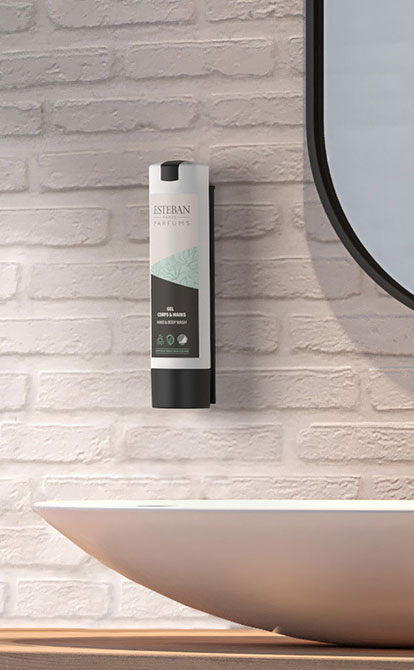
To save time on servicing high-touch soap dispensers, consider replacing single-use minis with ADA Cosmetics’ unique tamper-proof SmartCare soap dispenser

Designed in a closed system, SmartCare eliminates backwash – a result of a design flaw in the traditional hand pump – and makes contamination of any kind virtually impossible.

It’s not only the most hygienic system in the world; it can be replaced in just 6 seconds, saving your staff valuable time. Made with 100% recyclable mono-material plastic, SmartCare reduces not only your footprint on the environment, but also disposable plastic’s footprint on your balance sheet. 

  1. Common Spaces, such as lobbies, elevators, and gyms, require regular disinfection and visible hygiene solutions. Touchless sanitizer stations and regular surface cleaning are essential here.
  2. Food and Beverage Areas are likely subject to strict sanitation protocols and regular inspection by your local health authorities. But why not consider some ways you can go beyond the requirements? Whether you opt for high-tech solutions like smart sensors and automated temperature loggers for refrigeration, cooking and holding units, and UV-C air filtration systems in food prep areas; or, you go for lower-tech solutions like color-coded kitchen utensils, and internally conducted, unannounced audits, each step reduces the likelihood of contamination. Don’t forget customer-facing ways to showcase your commitment to food safety: Contactless QR code menus and Farm-to-Table food purchasing protocols show your customers your commitment to their health and wellness. The investment will pay dividends. While only 40% of guests write a review after a positive experience, 48% take to their keyboard after a negative experience.
  3. Back-of-House Spaces, such as laundry rooms and staff restrooms, that are unkempt can undo all of your careful hygienic practices in guest-facing areas. Approach hygiene in Front-of-House areas with the same rigor to prevent the internal spread of germs. 

What is Personal Hygiene in Hospitality?

Personal hygiene in hospitality refers to the standards of cleanliness, grooming, and sanitary behavior guests expect of your hotel staff, particularly those they meet face to face. Maintaining high personal hygiene standards is not about mere impressions. Guests consistently rank cleanliness as the top factor when they evaluate their hotel stay, and they are willing to pay a premium for it. 

According to a study by Expedia, when choosing among a hotel with a higher guest review score, a brand name hotel and a hotel offering a lower price, a whopping 72% of guests chose the hotel with the higher average guest review score. In one example, guests opted to pay 35% more to book a room with a 4.4 rated hotel compared to a 3.9 rated hotel

The rewards are great, but the expectations are steep, and guests can be unforgiving. All employees – from front desk staff to housekeepers and kitchen personnel – must observe good hygienic practices, such as regularly washing hands, wearing clean uniforms, and using gloves when appropriate. 

Don’t forget about odors. Strong perfumes, body odor and food smells assault your guests’ senses and will not soon be forgotten. Employees should also keep their hair and beards trimmed and out of the way. 

Reinforcing a culture of hygiene through training, audits, and visible cleanliness boosts the guest experience and sets a high operational standard that elevates your brand. Personal hygiene isn’t just personal. It’s a business essential.

What are Hotel Hygiene Standards?

Hotel hygiene standards are the protocols and practices designed to keep your hotel safe, clean, and sanitary for guests and staff. These standards cover the entirety of your hotel. 

Guest rooms, bathrooms, common spaces, food service areas, and back-of-house operations should have tailor-made, regular cleaning schedules that include disinfection of high-touch surfaces, proper linen handling, pest control, and compliance with local health regulations. 

Modern hygiene standards also extend to in-room amenities. Take the iconic row of mini-bottles on the hotel bathroom counter. Individually sized personal care products have long been a hallmark of quality and class in the hotel industry. Ironically, their greatest value lies in the initial impression they leave. The actual contents of the bottle often end up unused and in a landfill somewhere. The average hotel throws away up to 20,000 of them in a single month! 

But woe to the hotelier who replaces these little icons of health and safety with standard, bulk refillables. To health-conscious guests, they might as well carry a “germ magnet” warning label. Valid, environmental concerns cannot be an excuse for poor hygiene. When hygiene is a defining factor in today’s guest experience, your hotel’s reputation cannot afford to take a hit like that. Ours is an industry where “clean” must mean more than just appearances, but can never mean anything less.

6 Tips to Improve Hygiene and Sanitation in Hotels

These 6 actionable tips will help you meet rising guest expectations and set your hotel apart.

1. Switch to Tamper-Proof Bulk Dispensers

Replace single-use minis with wall-mounted, hygienic dispensers that use proprietary refill cartridges. These closed systems reduce contamination risks, eliminate guest tampering, and provide reliable dosing – improving hygiene and saving on costs.

Multiple studies since 2011 have found pathogenic bacteria in 25% of all hotel soap dispensers tested. To find out why, ADA Cosmetics funded a study at the Rhine-Waal University of Applied Sciences and used the results to develop the SmartCare system. It is an aesthetic, cost-effective, tamper-proof and sustainable turn-key solution for your hotel.

2. Show Evidence of Professional Room Cleaning

Even if rooms are thoroughly cleaned, guests may still feel uneasy if cleanliness isn’t visually obvious – after all, perceptions of hygiene often begin with first impressions.

Here’s how to make your hotel’s hygiene efforts more evident:

  • Visible Evidence of Cleaning: Sealed toilet seats, wrapped drinking glasses, neatly stacked towels, and freshly made beds signal a high standard of hygiene
  • Transparent communication: Small signs like “This room was disinfected on [date]” build trust and reassure guests
  • Visual and Scent Cues: White towels, tidy lines, and a fresh, pleasant scent immediately convey cleanliness to guests
  • Signature scent: A subtle, consistent scent throughout your hotel reinforces your brand identity and leaves a lasting positive impression

3. Train Staff in Hygiene Best Practices

Regularly train housekeeping and maintenance teams on disinfection protocols, proper handling of hygiene systems, and identifying high-touch risk areas to ensure consistent cleanliness.

Essential training components:

  • Regular hygiene training: Teach proper handling of cleaning agents with a strong focus on infection prevention and control
  • Raising awareness: Help staff identify the areas guests notice first and understand what builds trust
  • Checklist-based housekeeping: Use detailed checklists to maintain quality – especially in often-overlooked spots like behind curtains or under beds
  • Digital control tools: Utilize apps to document, monitor, and improve cleaning procedures

4. Implement ADA-Compliant Hygiene Solutions

Ensure that all hygiene amenities comply with the Americans with Disabilities Act (ADA) to provide safe, accessible, and hygienic options for every guest.

5. Audit Amenities for Green-Washing

Choose products that balance sustainability with verified hygiene performance. Avoid systems that promote eco-friendliness at the expense of safety – opt for clinically tested and traceable refill systems.

6. Reduce Your Plastic Footprint Strategically

Smart hygiene systems not only improve sanitation but also reduce your plastic footprint and streamline operations. Systems like ADA Cosmetics’ SmartCare and Refillution support both sustainability and guest satisfaction without compromising hygiene.

“Apart from the high quality, the design and the hygienic aspect of the SmartCare played a major part in our decision.”

– Loes Rutjes, General Manager, Pure Salt Port Adriano, Mallorca, Spain

Conclusion

The hospitality industry faces a critical challenge: meeting heightened hygiene expectations while advancing sustainability goals. As demonstrated, 87% of hotel guests prioritize cleanliness above all else. Meanwhile, negative hygiene reviews can cost up to 70% of potential bookings.

By addressing hidden hygiene risks and choosing dispenser solutions like SmartCare, hotels can:

  • Enhance guest satisfaction through superior hygiene standards
  • Reduce operational strain on staff with 6-second cartridge replacements
  • Strengthen sustainability credentials with 95% plastic waste reduction
  • Protect brand reputation long-term against hygiene-related negative reviews

Ready to transform your hotel’s hygiene standards? 

Contact us today for a personalized consultation and discover how ADA Cosmetics’ proven solutions can elevate your guest experience while reducing environmental impact.

FAQ

What is hotel sanitation?

Hotel sanitation encompasses the protocols and procedures implemented to ensure a clean, safe, and hygienic environment for guests and staff. For hoteliers, this means establishing rigorous cleaning schedules, using effective disinfectants, training housekeeping and maintenance staff on hygiene best practices, and maintaining high standards in guest rooms, public areas, kitchens, and back-of-house operations. Effective sanitation not only protects health but also enhances guest satisfaction, supports brand reputation, and ensures compliance with local health and safety regulations.

What is a cleaning protocol?

A cleaning protocol is a structured set of guidelines and procedures that define how, when, and with what products various areas of a hotel should be cleaned and sanitized. For hoteliers, it serves as a critical operational tool to ensure consistency, efficiency, and compliance with health and safety standards. A well-developed cleaning protocol outlines responsibilities, frequency of tasks, approved cleaning agents, and proper techniques for different surfaces and environments, from guest rooms to public areas and back-of-house spaces. Implementing clear protocols helps maintain hygiene, boosts guest confidence, and supports staff accountability.

What are the 5 rules of housekeeping in hotels?

5 essential rules of housekeeping in hotels are:

  1. Clean from top to bottom and back to front to ensure thoroughness and avoid recontamination
  2. Use the right tool for the job, each and every time; being thoughtful and deliberate about determining the most effective cleaning agent and tool for each surface is how you will maintain quality and safety in your hotel
  3. Follow a standardized cleaning checklist to ensure consistency across rooms and shifts; your guests’ health and welfare can’t afford a haphazard, one-size-fits-all approach to housekeeping
  4. Respect guest privacy and security by knocking and announcing before entering, and safeguarding guest belongings
  5. Develop and then adhere to hygiene and safety protocols, including wearing PPE (personal protective equipment) and proper hand hygiene. No matter how well thought-out your cleaning protocol, it will fail if it is not consistently and thoroughly applied.
CONTACT
REQUEST AN OFFER

For product inquiries worldwide, please contact our sales partners.

CONTACT

For contact inquiries of all kinds, please use our contact form. We will get in touch with you as soon as possible.