Hotel & Travel Trends

Hotel Distribution Channels: The Complete Guide 2025

17 October 2025

In today’s competitive hospitality landscape, the importance of distribution channels in hotel industry operations lies in how they connect properties with diverse guest segments. From social media inspiration and corporate travel networks to property locations, each channel influences how travelers discover, evaluate, and ultimately book a stay. 

For hoteliers, the challenge lies not only in strategically selecting the right harmony of channels, but also in ensuring that their brand stands out within them. A well-balanced mix of channels not only boosts visibility and occupancy but also safeguards profitability and brand identity. 

Equally vital is what hotels present once guests are reached. Distinctive elements, such as luxury services or sustainable amenities, can help hotels stand out across all channels, turning first impressions into lasting loyalty. 

In this complete guide to hotel distribution channels in 2025, we’ll take a look at what it is and how a well-defined hotel distribution strategy can achieve both commercial success and foster brand distinction.

What are Hotel Distribution Channels?

Hotel distribution channels are the platforms and pathways through which hotels market and sell their rooms and services to guests. Hotel distribution channels include:

  • direct channels, like a hotel’s own website or social media,
  • and indirect channels, such as online travel agencies (OTAs), travel management companies (TMCs), and global distribution systems (GDS).

Each channel plays a role in shaping how hotels reach different customer segments, balance costs, and enhance guest relationships. An effective distribution strategy blends multiple channels to maximize visibility, optimize revenue, and strengthen brand presence.

Top 5 Different Types of Hotel Distribution Channels

Hotel distribution channels come in several forms and offer varying benefits depending on the target audience and general marketing approach. Whether it be online or offline, different methods of appeal can be strategically employed to effectively reach guests and generate bookings. 

Let’s take a look at the top 5 hotel distribution channels and their unique attributes:

1. Direct Bookings

Direct bookings refer to both online and offline marketing or booking methods used by the hotel itself. One prime example of a direct booking is the hotel’s own website. As a direct resource, hotel websites should provide thorough information, including hotel information such as amenities, food & dining options, hotel services, and even a brief history.

2. Social Media

Social media allows hotels to promote rooms, packages, and brand experiences directly to potential guests. Platforms such as Instagram, Facebook, and TikTok combine visual storytelling with integrated booking tools, enabling hotels to convert inspiration into reservations. By showcasing amenities or experiences and running targeted campaigns, social media not only drives direct bookings but also strengthens brand loyalty and reduces dependence on OTAs.

3. OTA – Online Travel Agency

Online Travel Agencies (OTAs) are a type of indirect distribution channel. OTAs offer hotels access to a global audience and high booking volumes. Platforms such as TripAdvisor, Booking.com or Expedia increase visibility, especially for smaller or independent hotels, by leveraging their strong marketing power and user-friendly booking systems. While OTAs can drive occupancy, they often charge significant commissions and limit a hotel’s control over the guest relationship, making them a valuable but costly channel compared to direct bookings.

4. GDS – Global Distribution Systems

Global Distribution Systems (GDS) such as Amadeus, Sabre, or Travelport connect hotels directly with travel agents and corporate booking services worldwide. They function as a centralized platform where real-time availability, pricing, and inventory are shared, making it easier for agencies to secure reservations for their clients. For hotels, GDS access is especially valuable in attracting international and business travelers who rely on agents for convenience and negotiated rates. 

5. TMC – Travel Management Companies

Travel Management Companies (TMCs) specialize in handling corporate travel, making them an important distribution channel for hotels targeting the business segment. These B2B platforms streamline bookings for companies by consolidating hotel options, negotiated rates, and expense management into a single system. For hotels, partnering with TMCs, such as Egencia or HRS, provides consistent access to high-value business travelers, often leading to longer stays and repeat bookings. However, this channel also comes with strict rate agreements and reduced flexibility compared to direct distribution.

What is the Importance of Distribution Channels in the Hotel Industry?

Distribution channels are the backbone of how hotels connect with travelers, influencing everything from visibility and appeal to reservations and revenue. Furthermore, effective hotel distribution channel management helps properties reach the intended mix of leisure and business guests through both direct and indirect channels, ensuring bookings across local and global markets.

The importance of distribution channels in the hotel industry is found not only in generating reservations but also in shaping profitability and fostering guest relationships:

  • Direct Channels (hotel websites, apps, and social media): Direct channels lower costs and strengthen brand identity
  • Indirect Channels (OTAs, TMCs, GDS): Indirect channels broaden the reach and secure booking volume, but are often accompanied by higher commissions

A strategic balance of both enhances occupancy while protecting margins. 

Strong online hotel distribution channel management ensures hotels remain exceptional and unique in a crowded digital marketplace. By monitoring performance, adjusting rates, and tailoring presence across multiple platforms, hoteliers can maximize exposure while maintaining control of their brand image.

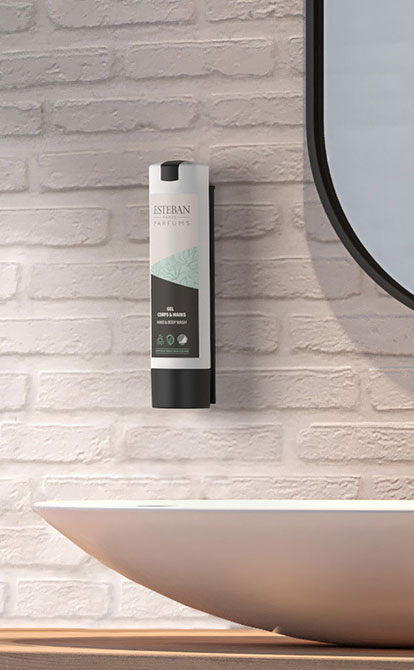
Finally, success isn’t only about where guests book, but also about what they experience once they arrive. Offering distinctive, sustainable amenities, like ADA Cosmetics’ innovative hygienic and luxury dispenser solutions, helps hotels stand out across every channel, converting first-time guests into loyal advocates.

How to Build a Hotel Distribution Strategy

Successful distribution channels in the hospitality industry require a strategy. These strategies should balance visibility, profitability, and put a targeted focus on the guest experience. Rather than relying heavily on a single platform, hotels should create a diversified portfolio or distribution strategy that maximizes reach while maintaining brand control.

Key steps include:

  1. Identify Target Markets: Define who the target market is, whether your focus is directed toward leisure travelers, business travelers, bleisure guests, or international visitors; as each may favor different channels.
  2. Balance Direct and Indirect Channels: Prioritize direct bookings via your website or social media for stronger margins, while using OTAs, TMCs, and GDS to broaden exposure.
  3. Optimize Online Hotel Distribution Channel Management: Monitor performance data, adjust rates dynamically, and tailor promotions to fit each channel’s audience.
  4. Highlight Brand Differentiators: Showcase what makes your hotel unique. For example, sustainability initiatives, premium amenities, or personalized service. These brand identifiers will help you stand out across competitive platforms.
  5. Leverage technology: Use integrated booking engines, channel managers, and analytics tools to streamline operations and maintain consistency across platforms.

By combining a smart selection of channels with fundamental hotel distribution channel management principles, hotels can increase occupancy, ensure profitability, and enrich the overall guest journey.

5 Tips for Effective Online Hotel Distribution Channel Management

Successful online hotel distribution channel management involves more than just a presence across multiple platforms; its attainment rests largely on using the fundamental principles of hotel distribution channel management to strategically maximize visibility, safeguard profit margins, and strengthen guest relationships.

5 Key Tips for Effective Online Hotel Distribution Channel Management:

  1. Leverage Versatility: Balance direct channels with OTAs, TMCs, and GDS to reach different markets.
  2. Utilize Technology: Use a channel manager to sync rates and availability in real time.
  3. Monitor Performance: Regularly review channel profitability and adjust strategies.
  4. Highlight your Brand: Maintain rate parity and consistent messaging across platforms.
  5. Showcase Uniqueness: Emphasize sustainable practices and premium amenities to create a competitive edge.

Boutique Hotels

Boutique hotels often seek flexibility, cost-effectiveness, and tools that simplify multi-channel management without the complexity of enterprise systems.

USA:

  • Cloudbeds – Frequently chosen by independent hotels and boutique properties for its easy setup and 300+ OTA integrations.
  • Stayflexi – Lightweight, cost-friendly, and designed for smaller operators looking to automate bookings and prevent double reservations.
  • roommaster (by InnQuest) – Suited for smaller hotels in the U.S., offering PMS integration and channel management in one system.

Europe:

  • Smoobu – Very popular among boutique hotels, B&Bs, and vacation rentals in Germany and across Europe; integrates booking engines, PMS features, and websites.
  • Clock PMS+ – Cloud-based, designed for boutique and small hotels, offering an integrated PMS with channel management.
  • eZee Centrix – Affordable, real-time updates, and widely adopted by independent hotels across Europe.

Hotel Chains

Chains require robust scalability, enterprise-level integrations, and advanced reporting capabilities across multiple properties and regions.

USA:

  • Sabre Channel Connect – Popular with large U.S. chains, offering connectivity to hundreds of OTA and wholesale channels with strong enterprise support.
  • Amadeus (GDS + distribution solutions) – Widely used by American chains to reach corporate and international markets.
  • SiteMinder – Also heavily present in the U.S., supporting both chains and independents with scalable features.

Europe:

  • D-EDGE – Very common with mid- to large-sized European hotel groups, offering 300+ integrations, advanced data intelligence, and centralized management.
  • SiteMinder – A global leader, trusted by many European chains for multichannel connectivity and strong automation.

RateGain – Focuses on pricing intelligence and enterprise-wide revenue optimization, useful for chain strategies.

Conclusion

Mastering the management of hotel distribution channels ultimately comes down to more than just visibility; it’s about what makes a hotel truly stand out once discovered. Effective hotel distribution channel management facilitates reach, profitability, and control, but the guest experience is what secures loyalty and long-term success. 

As a supplier of Cradle-to-Cradle certified cosmetics and luxury amenities, ADA Cosmetics empowers hoteliers to differentiate themselves with eco-conscious, hygienic, and beautifully designed amenities and dispenser solutions that reflect modern guest expectations. By pairing a smart distribution strategy with ADA’s premium amenities, hotels can achieve both higher occupancy and stronger brand distinction across every channel.

FAQ

What is a distribution system in the hotel industry?

A distribution system in the hotel industry refers to the network of channels hotels use to market and sell their rooms and services to guests. It includes direct channels, like a hotel’s website and social media, as well as indirect channels such as online travel agencies (OTAs), travel management companies (TMCs), and global distribution systems (GDS). Together, these platforms are strategically used to manage how availability, rates, and inventory are shared with travelers.

What are direct and indirect channels?

Direct channels are booking pathways that connect guests straight to the hotel via platforms such as the hotel’s website, mobile app, through phone reservations, or social media advertising. Indirect channels involve third parties like OTAs, TMCs, or GDS, which expand reach and drive volume but often come with higher costs and less control over the guest relationship.

What is the difference between online and offline distribution channels?

Online distribution channels are digital platforms where guests can search, compare, and book rooms, such as hotel websites, OTAs, social media, or GDS. Offline distribution channels, on the other hand, rely on traditional methods like phone reservations, walk-ins, or bookings made in-person through travel agencies. While online channels make it easy for travelers to book instantly and explore options globally, offline channels create a more personal booking experience but are limited in scale.

CONTACT
REQUEST AN OFFER

For product inquiries worldwide, please contact our sales partners.

CONTACT

For contact inquiries of all kinds, please use our contact form. We will get in touch with you as soon as possible.